 Skip to content
When you’re faced with a slow-draining kitchen sink or a shower that starts to pool around your ankles, the temptation to try a quick DIY drain cleaning fix is understandable. Hardware store shelves are packed with products promising instant results, and the internet is full of home remedies. While some of these methods can have limited success on very minor clogs, many of them are ineffective at best and, at worst, can cause serious, expensive damage to your plumbing system. Knowing the difference between a safe home remedy and a problem that needs a professional is key to preventing a small issue from becoming a major plumbing disaster.
The Homeowner’s Toolkit: Plungers and Small Snakes
For simple clogs, a couple of basic tools can be effective and are safe to use.
- The Plunger: This should always be your first line of defense. A simple cup plunger is great for sinks and tubs, while a flange plunger (with the extended rubber flap) is necessary for toilets. A plunger uses water and air pressure to dislodge a single, solid obstruction, and it’s always worth a try first.
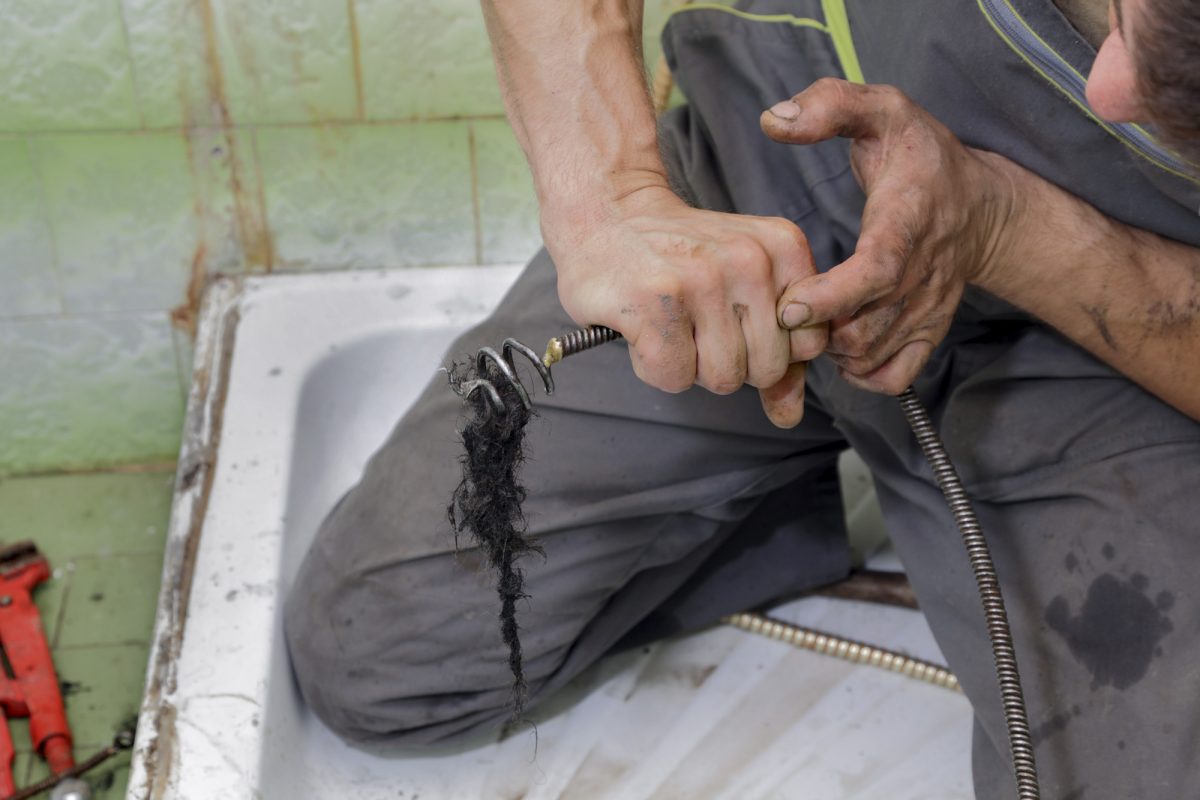
- Small Hand Snakes: A small, 1/4-inch drain auger or a plastic “zip-it” tool can be useful for pulling out hair clogs that are located very close to the drain opening of a bathtub or bathroom sink. However, their reach is very limited, and they are not effective against grease or sludge clogs further down the pipe.
The Dangers of Chemical Drain Cleaning
This is where DIY drain cleaning becomes truly risky. Liquid chemical drain cleaners seem like a magic bullet, but they work by using powerful, caustic agents like sodium hydroxide or sulfuric acid to generate an intense chemical reaction that dissolves the clog.
- They Can Destroy Your Pipes: The heat generated by this chemical reaction can be enough to soften and warp PVC pipes. The caustic agents are also highly corrosive to metal pipes, especially older galvanized or cast iron lines. Over time, using these cleaners can eat away at your pipes from the inside, leading to leaks and the eventual need for a full pipe replacement.
- They Are Extremely Hazardous: These chemicals are toxic and can cause severe burns to your skin and eyes and release noxious fumes. As the National Capital Poison Center warns, they are one of the most dangerous chemical products in the average home.
- They Often Make the Problem Worse: If the chemical cleaner fails to clear the clog completely, you are now left with a pipe full of highly toxic, standing water. This is incredibly dangerous for you and for the professional plumber you will now have to call. Many plumbers charge extra to work on a line that contains these hazardous chemicals.
When to Call the Professionals
You should stop your DIY efforts and call a professional if:
- A plunger or simple snake doesn’t clear the clog.
- You have clogs happening in multiple drains at the same time (a clear sign of a main sewer line issue).
- The clog comes back soon after you’ve cleared it.
- You hear gurgling sounds or smell sewer gas from your drains.
A professional has the right equipment, from powerful motorized drain augers to high-pressure hydrojetting machines, to not only break through the clog but to clean the entire pipe wall, solving the problem for good.
Your Utah Drain Cleaning Experts
Some jobs are simply best left to the professionals. For homeowners in Utah dealing with a stubborn clog, the team at Lets Fix Plumbing has the tools and expertise to handle your drain cleaning safely and effectively. Contact us for professional help that won’t harm your pipes.