 Skip to content
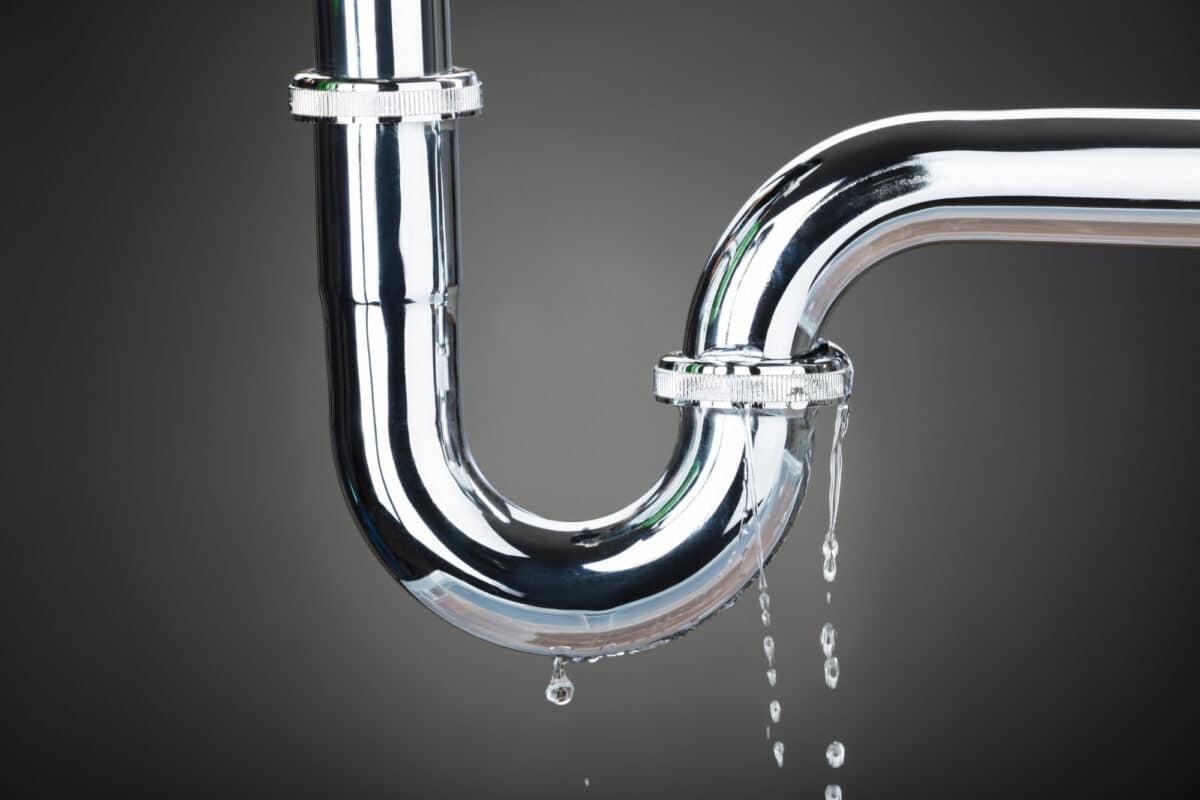
If you live on the East Bench—whether it’s in Sandy, Draper, Cottonwood Heights, or Bountiful—you paid for the spectacular views of the valley. But you might also be paying a hidden tax on your plumbing system. Have you noticed that your kitchen faucet drips just months after replacing the washer? Do your toilets hiss constantly? Or worst of all, do you hear a loud BANG in the walls when the washing machine turns off?
You don’t have bad luck with appliances. You have High Water Pressure. And if you don’t fix it, it could cost you thousands in flooded floors.
The “Gravity” of the Situation
The reason for this issue is simple physics. Utah’s municipal water sources often start high up in the mountains. By the time that water travels down the canyon and reaches your home on the foothills, it has built up tremendous momentum.
While a standard home operates safely at 50 to 70 PSI (Pounds per Square Inch), homes on the benches in Sandy and Draper often see street pressure exceeding 120 PSI.
That is enough pressure to blow the seals right out of your faucets, ruin the internal valves of your dishwasher, and even crack the glass lining of your water heater.
Meet Your Defender: The PRV
So, why didn’t your house flood the day you moved in? Because of a small bell-shaped brass valve usually located in your basement near the main water shut-off.
This is your Pressure Reducing Valve (PRV). Its job is to take that dangerous 120 PSI coming from the street and step it down to a safe 60 PSI before it enters your house pipes.
The Problem: PRVs have a lifespan. In Utah’s hard water environment, the rubber diaphragm inside the valve eventually hardens or tears—usually after 10–15 years.
When the PRV fails, it stops regulating. Suddenly, your home is subjected to the full, raw pressure of the city main.
Signs Your PRV Has Failed
You usually won’t know the valve is dead until you see the symptoms:
- Short Appliance Life: If your water heater leaked after only 6 years, high pressure likely cracked it.
- “Water Hammer”: If pipes bang or shudder when a valve closes quickly (like a toilet or sprinkler), that’s a pressure shockwave.
- Dripping Faucets: High pressure forces water past the rubber gaskets, ruining them repeatedly.
- Running Toilets: The pressure is so high it forces the fill valve open even when the tank is full.
The Test You Can Do Today
You don’t have to guess. Go to a local hardware store and buy a simple hose bib pressure gauge (they cost about ).
- Screw it onto the hose spigot outside your house.
- Turn on the spigot.
- Read the dial.
If the needle is above 75 PSI, your PRV is failing. If it’s above 100 PSI, you are in the “danger zone” and need to act fast.
Can I Fix This Myself?
Replacing a PRV involves cutting into the main water line, often requiring soldering or specialized press fittings. Because this is the main artery of your home’s water supply, if the installation fails, the resulting flood can be catastrophic.
If you suspect high pressure is damaging your home, this is one job best left to the pros.
Protect Your Home from High Pressure
Don’t wait for a pipe to burst. If you are hearing banging pipes or constantly fixing leaks, let us check your pressure. We can replace your failing PRV and dial your home back to a safe, appliance-friendly pressure.
- Suspect a leak already? Check out our Leak Detection Services to see how we pinpoint hidden damage.
- Find us on Google Maps: Let’s Fix Plumbing
- Schedule a Pressure Check: Contact Us Here