 Skip to content

If a pipe has already burst, the first move is not the phone. It is the main shutoff, then the phone. Water under pressure fills a basement faster than most people expect, and the minutes between the split and the valve turning are the difference between a repair and a restoration job. Once the water is off, a burst pipe in a Salt Lake City home is a contained problem: find the split, cut it out, replace the run, and work out why that particular length froze when the rest of the house did not.
Why Pipes Freeze in Salt Lake City, UT and Not Elsewhere in the House
Freezing is a location problem, not a temperature problem. The pipes that split are almost always the ones with cold air on one side and no heat on the other: a run through an uninsulated crawlspace, a line in an exterior wall on the north face, a hose bib that was left connected in October, a garage wall, or a length crossing an unheated attic or a vented rim joist. The rest of the house can sit at a comfortable temperature all night while a single run twelve inches from the outside air drops below freezing.
Elevation and the way cold settles in this valley make it worse than the forecast suggests. Air drains downhill overnight, so a house against the east bench or up toward the canyon mouths gets colder than the airport number that the forecast quotes, and it stays colder for longer in the morning. Older homes carry the extra risk of pipe that was run before anyone insulated anything, in spaces that were never meant to stay warm.
What to Do in the First Ten Minutes
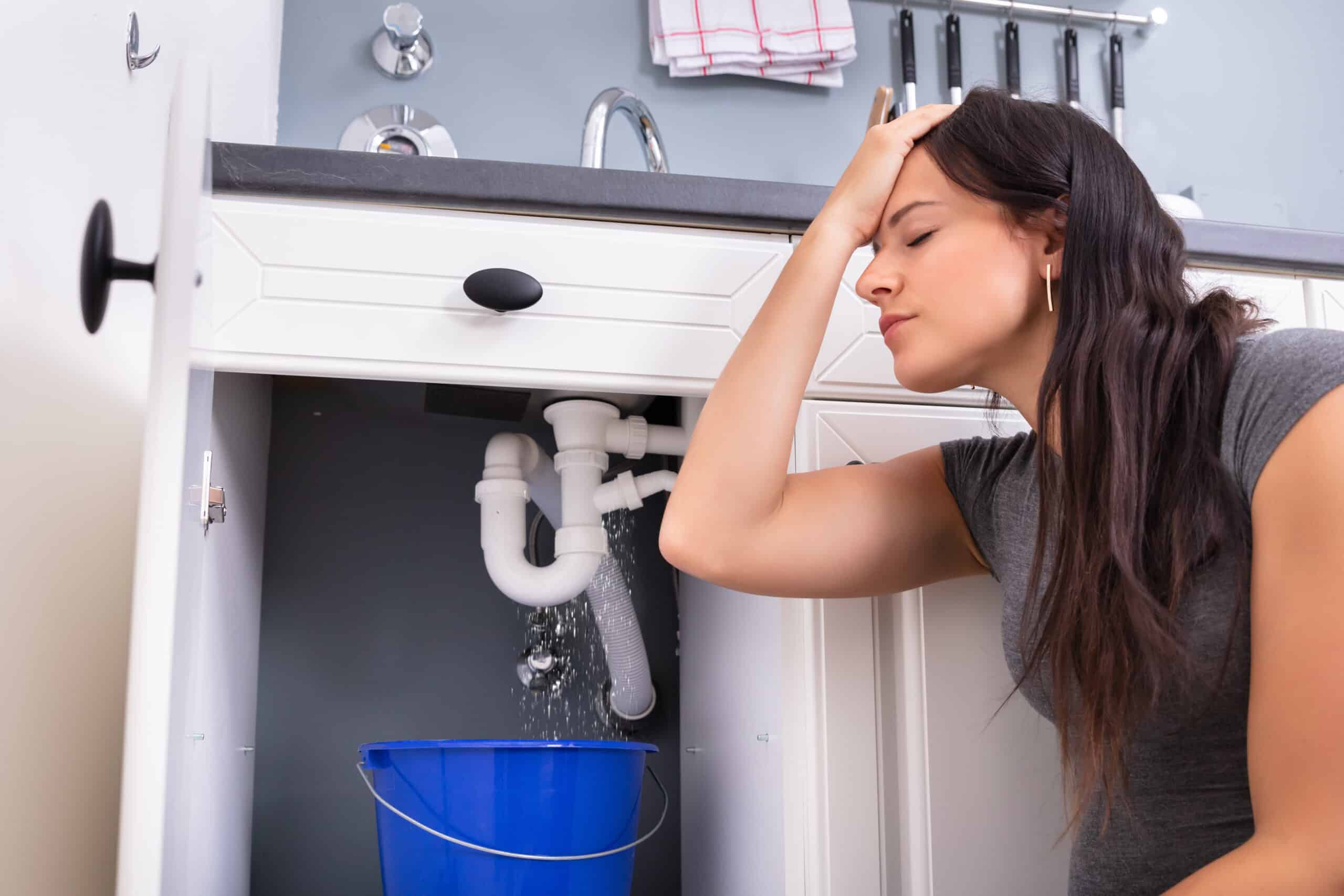
Shut the main. In most Salt Lake City houses it is in the basement on the street-facing wall, near where the line enters, or in a meter box out front. Then open a tap at the lowest point in the house to drain the pressure out of the system, and switch off the power to anything the water has reached. If the water is near a panel or a ceiling fixture, kill the circuit before you go looking. Do not run a torch or a heat gun at a frozen section, which is how a slow thaw becomes a fire.
If the pipe is frozen but has not split yet, you have a chance. Open the tap that line feeds so melting water has somewhere to go, and warm the area gently with ambient heat rather than direct flame. A frozen line that will not thaw, or one you cannot reach, is worth a call before it becomes a burst one.
How a Burst Pipe Repair Runs in Salt Lake City, UT
The split gets found first, and the split is rarely where the water shows. Water travels along joists and drops through the first gap it finds, which is why a ceiling stain in the living room can come from a line above a bedroom. Once the section is located, the damaged length is cut out and replaced, the joints are made, and the system is pressurised and watched before anything is closed up.
Then the part that actually stops it happening again: why that run froze. Sometimes the answer is a missing piece of insulation. Sometimes it is an exterior wall cavity that should never have carried water pipe, and the fix is rerouting the line to an interior wall. When several runs are at risk at once and the pipe is old, the conversation moves toward a whole-house repipe rather than a winter of individual repairs.

Frozen, Burst or Something Else in Salt Lake City, UT
| What you are seeing | What it usually means | What to do first |
|---|---|---|
| One tap gives nothing, the rest of the house is fine | That branch has frozen, and it has not split yet | Open that tap, warm the space gently, call before it thaws |
| Water appearing at a ceiling or a wall after a cold night | A split on a run above or behind that surface | Shut the main, drain the system, kill the circuit |
| A hose bib that will not run in spring | The bib or the line behind it froze and split over winter | Leave the bib closed and have the run inside checked |
| Pressure drops across the whole house in the cold | A freeze closer to the main, or the service line itself | Shut the main and call, do not apply direct heat |
| Water in the basement with no freeze and no cold snap | A failed joint, a pinhole or an appliance line | Shut the main and treat it as a leak, not a freeze |
| Ice on a pipe you can see and reach | It has frozen but is still whole | Open the downstream tap, warm the room, no flame |
Cottonwood, the Benches and Canyon Homes
Houses above the valley floor sit in a different winter. Cottonwood Heights, the upper Avenues, Millcreek and the canyon approaches hold cold longer, get less winter sun on north faces, and go through more freeze and thaw cycles in a season than a house in the middle of the valley. Crawlspace vents left open, garage-wall runs and second homes that sit empty through a cold week are the three that come up most often. If a house is going to be unoccupied in January, shutting the main and draining the system is worth more than any amount of insulation.
Burst and Frozen Pipe FAQs
At what point should I shut off the water?
Immediately, and before you investigate anything. A split under pressure keeps filling the space for as long as the main is open, and nothing you find in the next five minutes changes what you should have done first. Learn where your shutoff is now rather than in the dark with water running.
Can I thaw a frozen pipe myself?
Gently, yes. Open the tap that line serves, raise the temperature of the space with ambient heat, and give it time. What you must not use is an open flame, a torch or a heat gun aimed at the pipe, and you should not leave a space heater unattended against a wall cavity. If the run is inaccessible or nothing moves, stop and call.
How do I know whether the pipe has already split?
A frozen line that is still whole gives you nothing at the tap and no water anywhere. A split one gives you water, though often somewhere you would not expect, because it travels along framing before it drops. The moment of thaw is when a split shows itself, which is why an unattended thaw is the risky one.
Will my insurance cover a burst pipe?
That is between you and your policy, and we cannot answer it for you. What helps is documentation: photograph the damage and the failed section before anything is cut out, keep the removed piece of pipe, and keep the invoice. Ask your insurer what they want recorded before the repair is finished, not after.
Why did only one pipe freeze?
Because only one pipe was in a cold enough place. The rest of the system was inside the heated envelope of the house and that one run was not, whether that is an exterior wall, a crawlspace, a garage or an attic crossing. Finding out which of those it was is the part that stops it repeating next winter.
Do you come out at night for a burst pipe?
Tell us what is happening and where, and we will tell you what we can get to and when. The water being off is what buys the time, so make that call to the shutoff first and the call to us second.
Related Winter Plumbing Help in Salt Lake City, UT
A burst pipe is usually the end of a chain that started somewhere else: the Utah winter plumbing checklist for the jobs that prevent it, leak detection when water is showing but the source is not, whole-house repiping when old pipe keeps failing, sump pumps for the basement that takes the water, water heaters when the tank is what let go, and the Salt Lake City plumbing page for everything else we cover in the city.
Get a Burst Pipe Repaired in Salt Lake City
Shut the main first. Then tell us where the water is showing, what the weather has been doing, and whether the house has a crawlspace, and we can work out what we are walking into. To reach Lets Fix Plumbing about a burst or frozen pipe in Salt Lake City, call (801) 346-9896 or send the details through the form below.