 Skip to content

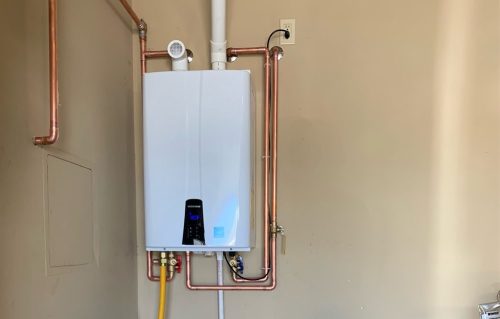
You’ve made the smart decision to upgrade your home to a modern, energy-efficient tankless water heater. You’re looking forward to the benefits of endless hot water and lower utility bills. But what does the actual installation process involve? Swapping out a large, old tank-style heater for a compact, on-demand unit is a more complex job than a simple one-for-one replacement. It often involves upgrades to your home’s gas lines, venting, and water piping. Understanding what to expect on installation day can help you prepare for the project and appreciate the professional skill required to do the job safely and correctly.
Step 1: The Pre-Installation Assessment
A professional installation begins with a thorough assessment of your home’s existing infrastructure. A qualified plumber will evaluate several key factors:
- Gas Line Sizing: This is the most critical step for a gas tankless unit. Tankless heaters have a much higher BTU (British Thermal Unit) rating than tank-style heaters because they have to heat water instantly. This means they require a much larger volume of gas. In most cases, your existing gas line will be too small and will need to be upgraded to a larger diameter pipe to safely supply the new unit.
- Venting Requirements: Modern, high-efficiency tankless water heaters require a special, dedicated venting system, typically using two PVC pipes that run to the outside of your home—one for combustion air intake and one for exhaust. The plumber will determine the best and safest location to run these new vent pipes.
- Location and Water Connections: They will identify the best location to mount the new, compact unit on your wall and will plan out the necessary adjustments to your hot and cold water pipes to connect to the new heater.
Step 2: Installation Day
A full tankless water heater conversion is typically a full-day job for an experienced plumbing team.
- Shutting Down and Removing the Old Tank: The crew will begin by safely shutting off the water, gas, and electrical supply to your old tank heater. They will then drain the tank and remove the bulky old unit from your home.
- Upgrading the Gas Line: The plumbers will run a new, larger-diameter gas line from your gas meter or a main supply line to the location of the new tankless unit. This is a critical safety step that must be done to code.
- Installing the New Venting: The crew will drill the necessary holes through an exterior wall and install the new, dedicated PVC intake and exhaust vents for the tankless heater.
- Mounting and Connecting the New Unit: The new tankless unit is securely mounted to the wall. The hot and cold water lines are then re-routed and connected to the unit. The new, larger gas line is connected, and all the necessary electrical connections are made.
- Commissioning and Testing: Once everything is connected, the system is turned on and “commissioned.” This involves testing the gas pressure, checking the water flow rates, and calibrating the unit to ensure it is operating safely and at its peak efficiency.
As the U.S. Department of Energy and other resources explain, a proper installation by a qualified professional is absolutely essential for the safe and efficient operation of a tankless water heater.
Your Utah Tankless Water Heater Experts
Upgrading to a tankless water heater is a fantastic investment in your home. To ensure the job is done safely and correctly, you need a plumbing contractor with specific experience in these modern systems. For homeowners in Utah, the experienced team at Lets Fix Plumbing specializes in the professional installation of tankless water heaters. Contact us today for a free estimate on your upgrade.