 Skip to content

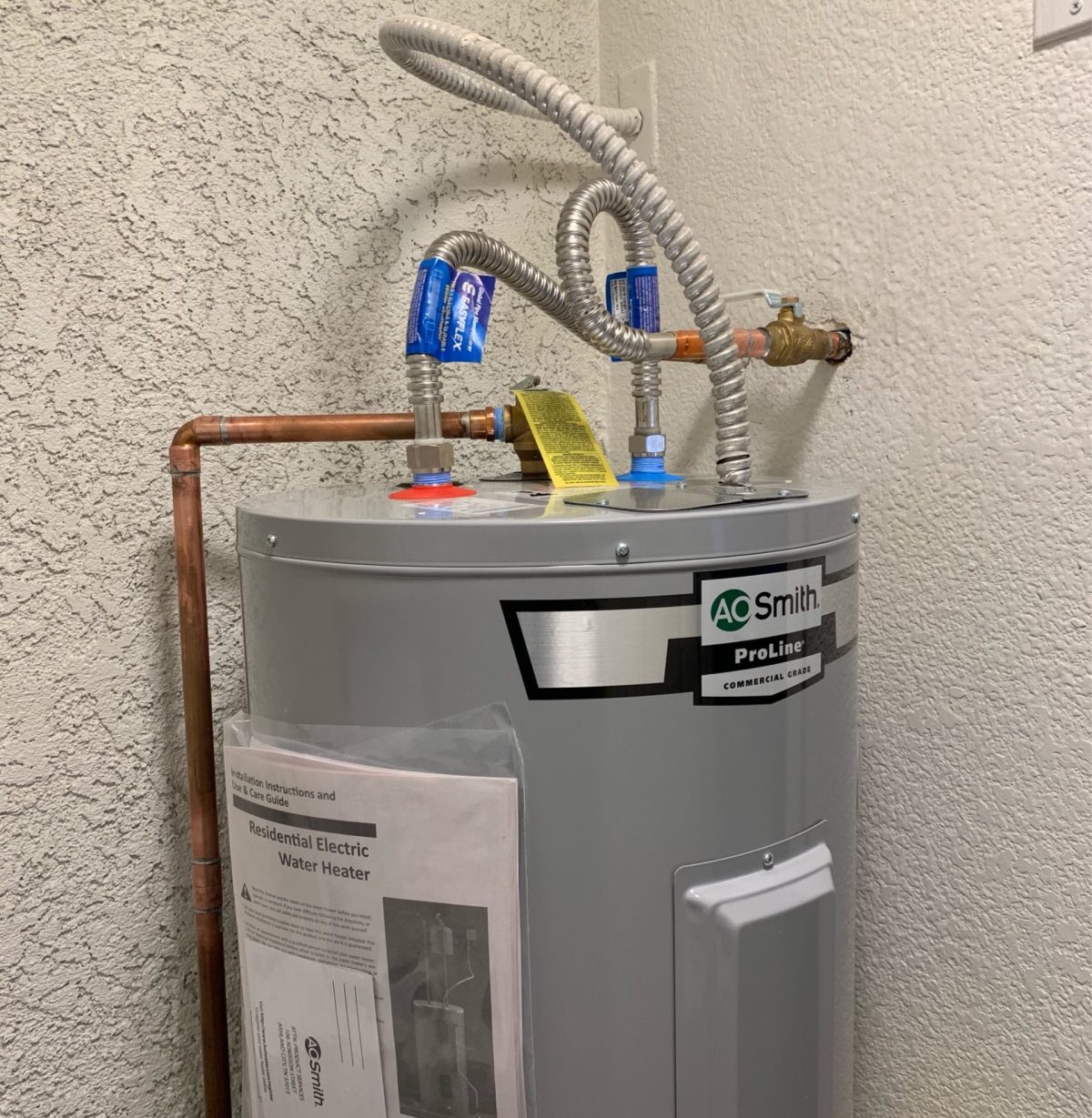
A tank water heater stores a large supply of heated water, which acts as a temperature buffer during winter. According to the Department of Energy, storage water heaters maintain steady output even when incoming water is extremely cold—something tankless systems can struggle with during peak usage.
How Cold Weather Affects Water Heating Performance
When temperatures drop, water entering your home may be 40°F or colder. Tankless units must heat this water instantly, requiring additional energy and sometimes reducing total flow rate. Traditional tanks, on the other hand, keep hot water ready 24/7, eliminating delays and performance dips.
The U.S. Geological Survey also notes that Utah’s mineral-heavy hard water accelerates scaling inside tankless systems, which can reduce winter output. Traditional tanks are easier to flush and maintain.
Why Families Prefer Traditional Water Heaters in Winter
Large households, multi-bath homes, and families with high hot water demand often prefer tank systems because they deliver steady, predictable performance. No matter how cold it gets outside, these heaters keep showers warm and appliances running smoothly.
Improved Efficiency with Proper Maintenance
Annual flushing, anode rod replacement, and sediment removal help tank systems stay efficient—even in Utah’s coldest months. Homeowners benefit from increased performance and lower energy bills year-round.
Your Utah Experts for Traditional Water Heaters
Stay warm all winter long with Let’s Fix Plumbing. Keep your home comfortable with reliable Traditional Water Heaters service by reaching out through our Contact Us page.