 Skip to content

Maintaining a healthy plumbing system is essential for protecting your Alta, Utah investment. From minor kitchen clogs to major sewer line blockages, Let's Fix Plumbing offers comprehensive cleaning solutions for local homeowners and business managers. Our goal is to ensure your pipes flow freely, helping you avoid the mess and cost of unexpected backups.
If you are experiencing drainage issues in Alta, Utah, help is just a click away. The Let's Fix Plumbing team delivers high-quality workmanship and rapid response times. Reach out today for a quote and keep your property’s plumbing in peak condition.

The Science of Scum: How Soap and Hard Water Conspire in Your Drains
Every homeowner has faced it: the stubborn, slow-draining bathroom sink or shower that seems to clog up no matter what you do. While it’s easy to blame hair alone, the real culprit is often an invisible chemical reaction happening inside your pipes every time you wash your hands or take a shower. This reaction creates a super-clogging agent far more resilient than hair on its own.
At Let's Fix Plumbing, we believe understanding the science behind a problem is the key to solving it permanently. Here's a look at the conspiracy between soap and your water that’s plaguing your drains.
The First Ingredient: Utah's Hard Water
The term "hard water" simply means the water has a high concentration of dissolved minerals, primarily calcium and magnesium. Utah is known for having some of the hardest water in the country. While these minerals are generally harmless to people, they are a key ingredient in the formation of tough drain clogs. When these mineral ions flow through your pipes, they are looking for something to react with.
The Chemical Reaction: From Soap to Sticky Scum
The second ingredient is traditional bar soap. Most bar soaps are made from fatty acids. When these fatty acids combine with the calcium and magnesium ions present in hard water, a chemical reaction called saponification occurs. The result is the creation of a new, insoluble substance: soap scum.
This isn't the light, bubbly lather you see when you wash. It's a waxy, sticky, grayish-white solid (chemically known as calcium stearate and magnesium stearate). This substance does not dissolve in water. Instead, it clings stubbornly to every surface it touches, most notably the inside of your drain pipes.
How the Clog Builds, Layer by Layer
Once your pipes have a sticky inner lining of soap scum, they become the perfect trap for everything else. This scum acts like glue, grabbing and holding onto:
- Hair: The primary binding agent.
- Dead skin cells: A constant source of organic matter.
- Dirt and grime: Washed away during showers.
- Toothpaste residue: Thick and pasty.
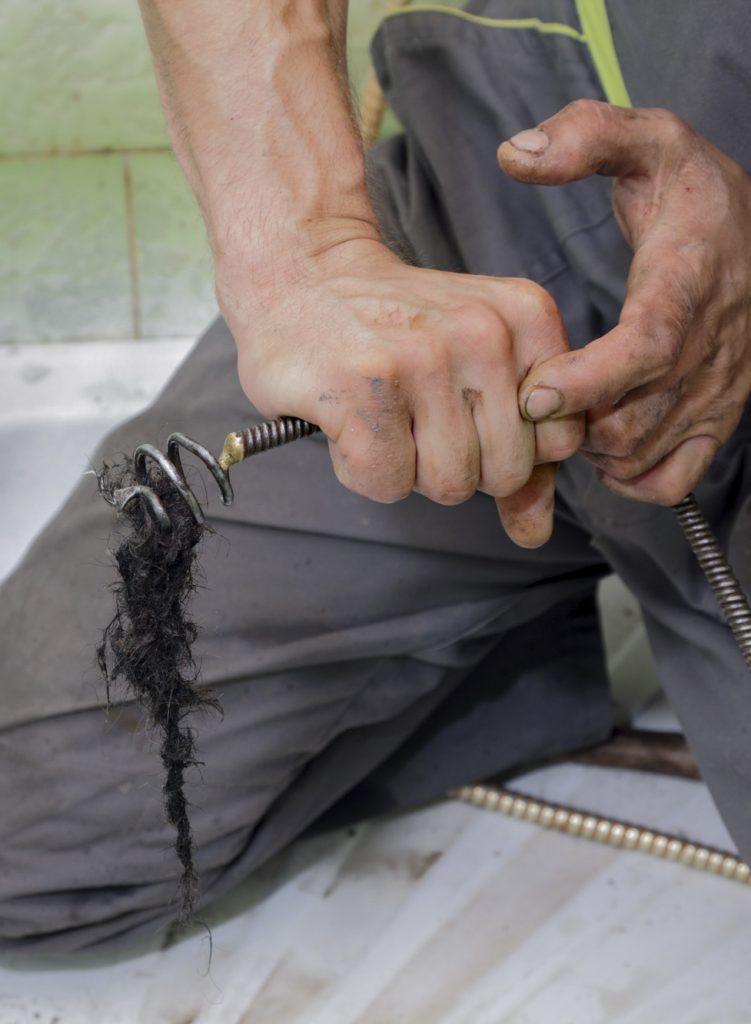
This combination of waxy scum and fibrous hair creates a dense, bio-film-like mass that builds up layer by layer. It gradually narrows the diameter of the pipe until water can barely pass through, resulting in the slow drain you see. Because this clog is a tough, chemically-created compound, it’s highly resistant to basic drain cleaners and requires professional tools to physically break it apart and scrape it away.
Clogged Toilet & Soil Stack Restoration
Beyond the Plunger: Deep Soil Stack Blockages
Most people reach for a plunger when a toilet overflows, but a plunger only addresses clogs located in the immediate "trap" of the porcelain fixture. If multiple toilets in your home are bubbling or if the backup persists after plunging, the issue is likely deeper in the "soil stack"—the vertical pipe that carries solid waste to the main sewer. These clogs are often caused by non-flushable items or an accumulation of "scale" inside older cast-iron stacks, which catches waste as it falls, eventually creating a total vertical blockage.
The Risks of Overflowing Sewage
A clogged soil stack is a high-priority plumbing emergency because it involves "Category 3" black water. This waste contains harmful bacteria and pathogens that can pose a serious health risk to your family or employees. Attempting to DIY a major toilet backup often leads to a massive overflow, resulting in expensive damage to flooring and cabinetry. Our professional team is equipped with the protective gear and industrial machinery needed to safely contain the waste while clearing the obstruction deep within the stack.
Restoring Modern Low-Flow Efficiency
Modern low-flow toilets use significantly less water than older models, which is great for the environment but can lead to "dry piping" if the stack isn't perfectly smooth. If there is any rough scale or debris in the line, the low-volume flush may not have enough force to push waste all the way to the sewer. We specialize in descaling soil stacks to restore that smooth interior surface, ensuring your high-efficiency toilets actually work as intended. Hiring a professional is the best way to prevent the recurring "phantom clogs" that plague many households.
Why Choose Let's Fix Plumbing
- Locally Owned & Operated
- 24/7 Emergency Services
- Licensed & Uniformed Technicians
- 5-Star Google and Yelp Reviews
- Upfront Estimates
- Easy Online Appointments
Aging Pipes and Modern Drainage Demands
The Vulnerability of Historical Plumbing Materials
Many older properties still rely on cast iron, clay, or orangeburg (tar paper) pipes. While these materials were standard decades ago, they were never designed to handle the volume of water and the types of chemicals used in modern households. Over time, these pipes develop "pitting" and internal rust that catch hair and paper with ease. Understanding the specific needs of aging pipes is crucial, as a "one size fits all" approach to cleaning can sometimes cause more harm than good to fragile, older lines.
Adapting to Increased Water Usage
The average modern household uses significantly more water and higher-pressure appliances than homes did fifty years ago. This increased demand can expose weaknesses in your drainage system that were previously unnoticed. When a high-pressure washing machine discharges into an old, narrowed 2-inch pipe, the result is often a backup. Professional restoration focuses on "descaling" these old pipes to bring their flow capacity back up to modern standards, allowing your historic home to function with contemporary efficiency.
Recognizing the Signs of Pipe Fatigue
How do you know if your pipes are simply clogged or if they are reaching the end of their life? Signs like "tuberculation" (small bumps of rust inside the pipe) or frequent, localized backups are indicators of material fatigue. Our professional diagnostic team uses specialized cameras to determine if your lines just need a deep clean or if it’s time to discuss localized repairs. This expert insight prevents you from wasting money on repeated cleanings for a pipe that has lost its structural integrity.

Contact Let's Fix Plumbing Today!
Let's Fix Plumbing is a fully licensed and insured plumbing business servicing the Alta, UT area. We offer a broad range of drain cleaning services in Utah. Give us a call today at (801) 346-9896 to schedule service.