 Skip to content
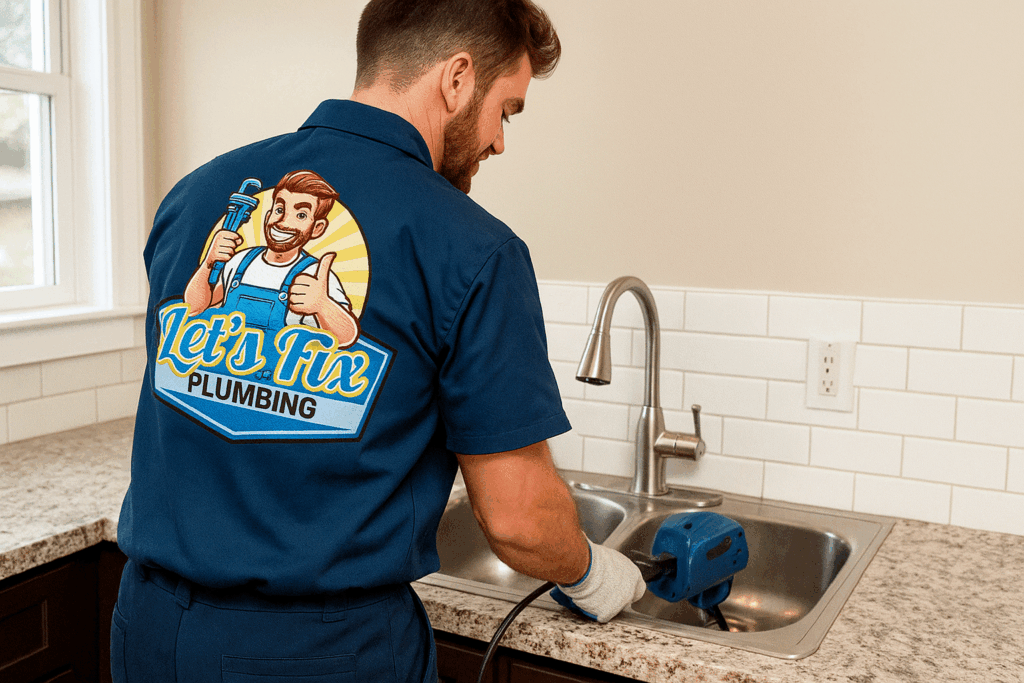
In Millcreek, Utah, 84106, where clean and reliable plumbing is essential for everyday comfort, maintaining clear and functional drains is a top priority. Let's Fix Plumbing is committed to keeping your drainage system flowing smoothly with expert drain cleaning services. If you're dealing with slow drains or persistent clogs in any part of Millcreek, Utah, 84106, give us a call and we’ll send one of our skilled and certified drain specialists to resolve the issue promptly.
Why Do Drains Get Clogged?
Understanding the Mechanics of a Blockage
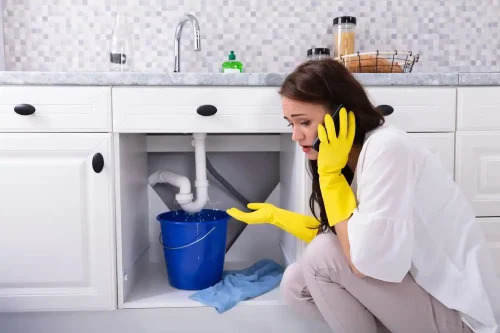
Drains are precision-engineered to carry water and soluble waste away from your property using gravity and specific flow dynamics. However, over time, the smooth interior walls of your pipes can become textured. As various substances like soap scum, minerals, and organic matter adhere to these surfaces, they create a sticky "shelf" that catches every passing bit of debris. This process, known as sedimentation, slowly constricts the pipe's diameter. What begins as a slightly slow drain eventually becomes a total stoppage as the accumulation reaches a critical mass, leaving the water with nowhere to go but back up into your sinks, tubs, or floor drains.
The Hidden Impact of Neglected Pipe Maintenance
Ignoring a slow-moving drain is a gamble with your property’s infrastructure. When water is forced to sit in a pipe due to a blockage, it creates sustained hydrostatic pressure on joints and seals that were never meant to hold standing water for long periods. Over time, this leads to "silent leaks" behind walls or under foundations, which can cause mold growth and structural rot long before you see a visible puddle. Professional drain cleaning doesn't just clear the water; it relieves this internal pressure and extends the lifespan of your entire plumbing system, saving you from the astronomical costs of a full pipe replacement or water damage restoration.
Why Surface Fixes Fail to Address the Root Cause
Many property owners believe that if the water starts moving again, the problem is solved. In reality, a partial clearance often leaves behind a thick layer of sludge that act as a magnet for the very next thing you wash down the sink. Without a comprehensive cleaning that scours the pipe walls back to their original state, you are trapped in a cycle of recurring clogs. Professional intervention ensures that the buildup is entirely eradicated, providing a long-term flow solution rather than a temporary "band-aid" fix that will inevitably fail when you least expect it.
Commercial Grease Trap & Drain Care
The Unique Challenges of Commercial Kitchen Drainage
In a commercial environment, the volume of waste is significantly higher than in a residential setting. Restaurants, cafes, and industrial kitchens deal with massive amounts of grease, proteins, and starches that can quickly overwhelm a standard drainage system. If a grease trap isn't maintained or if the connecting lines are neglected, it leads to "emulsified fat" clogs that are rock-hard and nearly impossible to clear with standard methods. A backup in a commercial kitchen isn't just a mess—it’s a health code violation that can force a business to close its doors.
Regulatory Compliance and Preventative Maintenance
Many municipalities have strict regulations regarding how commercial grease is handled and disposed of. A clogged commercial line often indicates that grease is escaping into the main sewer system, which can result in heavy fines and legal liabilities for the business owner. Professional drain cleaning for businesses focuses on more than just "fixing a leak"; it’s about ensuring that your facility remains in compliance with local environmental and health standards, protecting your reputation and your bottom line.
High-Volume Solutions for Business Continuity
We understand that for a business, time is money. Our commercial drain services are designed to be fast and non-invasive, utilizing industrial-grade hydro-jetting to strip away layers of grease and food byproduct in a single session. By hiring a professional team, you ensure that your pipes are cleared to their full capacity, preventing the sudden, mid-shift backups that disrupt service and alienate customers. We provide the heavy-duty solutions that commercial plumbing requires.
Why Choose Let's Fix Plumbing
- Locally Owned & Operated
- 24/7 Emergency Services
- Licensed & Uniformed Technicians
- 5-Star Google and Yelp Reviews
- Upfront Estimates
- Easy Online Appointments
The Financial Impact of Plumbing Neglect
How Professional Cleaning Boosts Property Value
When appraising a home or commercial building, the "invisible" infrastructure plays a massive role in the final valuation. Potential buyers and inspectors look for signs of well-maintained systems. A history of professional drain maintenance serves as proof that the property has been cared for, preventing the "red flags" of slow drains or water stains that can tank a sale. By investing in regular clearing, you are essentially performing a preventative upgrade on one of your property's most expensive components.
Avoiding the "Emergency Premium" Costs
There is a significant price difference between a scheduled maintenance visit and a midnight emergency call-out on a holiday weekend. When a drain fails completely, it often happens at the most inconvenient time, forcing you to pay "after-hours" rates and rush shipping on parts. Furthermore, the collateral damage to flooring and cabinetry from a sudden overflow can cost ten times more than the plumbing service itself. Professional maintenance is an insurance policy that keeps your bank account—and your pipes—from draining unexpectedly.
Extending the Lifespan of Modern Appliances
High-end dishwashers and washing machines rely on a clear exit path for their discharge water. If your drains are partially constricted, these machines have to work harder to pump water out, causing motor strain and early mechanical failure. By keeping your drainage lines clear, you are protecting the thousands of dollars you’ve invested in your appliances. Professional drain care ensures that your modern technology isn't being throttled by outdated, clogged plumbing.
Contact Let's Fix Plumbing Today!
Let's Fix Plumbing is a fully licensed and insured plumbing business servicing the Millcreek, Utah area. We offer a broad range of drain cleaning services in Utah. Give us a call today at (801) 346-9896 to schedule service.