 Skip to content
A clogged drain is more than just a nuisance; it’s a threat to your daily operations. At Let's Fix Plumbing, we provide Sandy, UT, 84047 residents and business owners with specialized drain cleaning services that get results. Our experienced plumbers identify the root cause of the backup, ensuring a long-term fix rather than a temporary patch.
Struggling with standing water or foul odors in Sandy, Utah? Let the professionals handle it. We offer transparent pricing and easy online booking for all your plumbing needs. Call Let's Fix Plumbing today to restore your peace of mind and your pipe’s performance.
How to Unclog a Drain
The High Risks of DIY Drainage Methods
When faced with a backup, many property owners reach for caustic chemical cleaners or hardware-store snakes, unaware of the potential for disaster. Chemical solvents generate intense heat and corrosive reactions that can soften PVC pipes or eat through the solder in older copper systems, leading to catastrophic leaks inside your walls. Furthermore, amateur snaking often results in the tool becoming stuck or even puncturing a weakened section of the pipe. Without a professional’s understanding of pipe topography and material limits, a simple clog can quickly escalate into a multi-thousand-dollar emergency repair.
Why Professional Extraction is the Only Real Solution
A true plumbing fix requires more than just punching a small hole through a blockage to get the water moving temporarily. To prevent the clog from returning next week, the pipe walls must be returned to their original, smooth state. Our team approaches every job with a "total clearance" mindset. We don't just move the debris further down the line, which can cause a secondary clog in a harder-to-reach area; we extract it or pulverize it entirely. By hiring a professional, you are ensuring that the root cause—be it scale, grease, or a foreign object—is completely removed, restoring the full flow capacity of your system.
Advanced Diagnostic Verification for Lasting Results
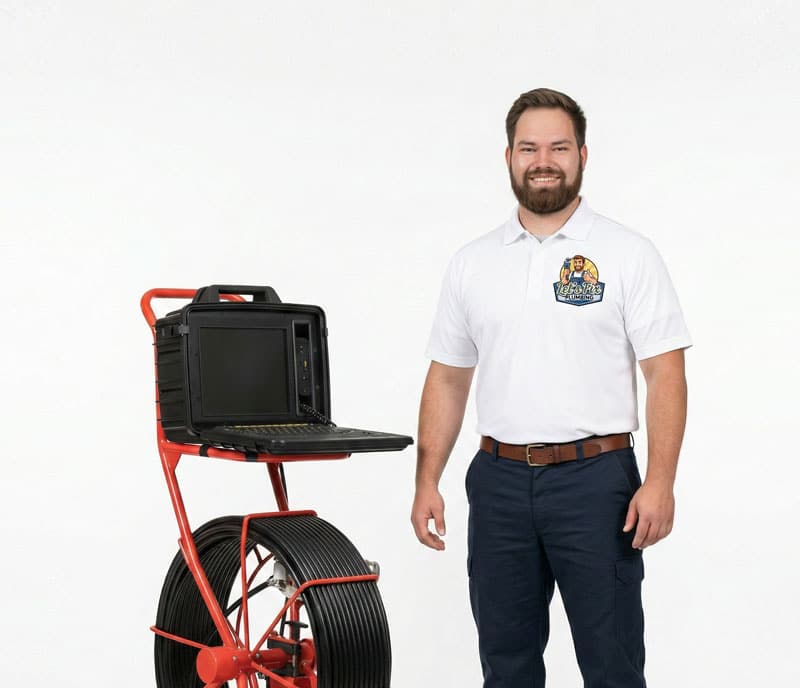
The most important part of a professional unclogging service is the verification process. After the obstruction is cleared, a professional plumber uses diagnostic tools to ensure the line is 100% clear and to inspect for any underlying damage caused by the clog. This might include checking for bellies in the pipe, offset joints, or early signs of pipe collapse. This level of scrutiny ensures that when we leave your property, the drain isn't just "working for now," but is fully restored to its optimal performance level, providing you with the peace of mind that a DIY attempt simply cannot offer.

Storm Drain & Outdoor Catch Basin Clearing
Managing Heavy Rainfall and Exterior Runoff
Storm drains and catch basins are your property's primary defense against heavy rain and snowmelt. Located in parking lots, driveways, or near low-lying landscape areas, these drains are designed to divert thousands of gallons of water away from your foundation. However, because they are exposed to the elements, they are the most likely drains to become clogged with exterior debris. When a storm drain fails, it doesn't take long for water to pool, leading to localized flooding and potential structural damage to your pavement or basement.
The Accumulation of Exterior Silt and Debris
Unlike indoor drains that mostly deal with organic waste, outdoor drains are magnets for heavy sediments. Leaves, grass clippings, gravel, and trash are frequently washed into the grates during a storm. This debris settles at the bottom of the catch basin or in the lateral lines, forming a thick, muddy sludge that "cements" over time. Because these lines are often wider and deeper than indoor pipes, they require specialized high-flow equipment to properly vacuum out the sediment and restore the drainage path.
Protecting Your Landscape and Foundation
A blocked storm drain can lead to "hydrostatic pressure" against your home’s foundation, forcing water through tiny cracks in the concrete. By the time you notice a puddle in the yard, the damage to your landscape or sub-surface drainage may already be extensive. Our team uses high-capacity clearing tools to ensure your exterior drainage system is clear before the next big storm hits. Hiring a professional is the only way to ensure these large-scale lines are truly clear of heavy obstructions.
Why Choose Let's Fix Plumbing
- Locally Owned & Operated
- 24/7 Emergency Services
- Licensed & Uniformed Technicians
- 5-Star Google and Yelp Reviews
- Upfront Estimates
- Easy Online Appointments
Decoding Your Drains: What Do Gurgling and Bubbling Sounds Mean?
That strange gurgling sound coming from your sink or shower drain after the water has gone down can be unsettling. It’s a common household noise, but it’s not a normal one. Think of it as your plumbing system’s early warning signal—it’s trying to tell you that something is wrong. Ignoring it can lead to slow drains, foul odors, and eventually, a complete backup.
At Let's Fix Plumbing, we believe that understanding the "why" behind a problem is the first step to fixing it. Here’s what’s really happening when your drains start to gurgle.
The Science Behind the Sound: A Problem of Airflow
A properly functioning plumbing system is designed to remove both water and air. Your drain pipes connect to a vent stack (usually a pipe that runs through your roof) that allows air to escape as water flows down. This prevents a vacuum from forming and allows water to drain quickly and quietly.
A gurgling sound is the noise of trapped air bubbles being forced through water. When a clog forms in your drain line, it blocks the pipe and prevents air from venting properly. As you drain water, it has to fight its way past the blockage, forcing the trapped air to bubble back up through the water—creating that distinct gurgle. It’s a clear sign that your drain is not breathing correctly.
Common Causes of Gurgling Drains
While the principle is always the same (blocked airflow), the location and cause of that blockage can vary.
- A Simple Clogged Drain: This is the most common cause. A buildup of hair, soap scum, grease, or food particles has created a partial blockage in the P-trap (the U-shaped pipe under the sink) or further down the line. The clog is preventing both water and air from moving freely.
- A Blocked Plumbing Vent: The vent stack itself can become clogged. In Utah, this can happen from leaves, debris, a bird's nest, or even frost and ice during the winter. When the main vent is blocked, your plumbing system will gasp for air from wherever it can—often by pulling it through the water in a nearby drain trap, causing gurgles.
- A Main Sewer Line Issue: This is the most serious possibility. If you hear gurgling in multiple drains throughout your house (e.g., a toilet gurgles when the shower is running), it often points to a partial blockage deep in your home’s main sewer line. This could be caused by tree root intrusion or a collapsed pipe and requires immediate professional attention.
A gurgling drain is a clear sign of a problem that will only get worse. Before it leads to a messy backup, call the experts at Let's Fix Plumbing for a professional diagnosis and a lasting solution.
Contact Let's Fix Plumbing Today!
Let's Fix Plumbing is a fully licensed and insured plumbing business servicing the Sandy, UT area. We offer a broad range of drain cleaning services in Utah. Give us a call today at (801) 346-9896 to schedule service.