 Skip to content
For both residential and commercial properties in Springville, UT, 84601, a blocked pipe is a major headache that brings your routine to a halt. Let's Fix Plumbing specializes in professional drain clearing services, utilizing modern equipment to remove the most stubborn obstructions. We focus on restoring your plumbing system’s efficiency to prevent future overflows and expensive water damage.
Don't let a slow-moving sink or backed-up toilet ruin your schedule. If you’re located in Springville, UT, 84601, our skilled technicians are standing by to provide a solution. Contact us now for an instant estimate or to schedule your service online.
What Clogs Drains?
A Breakdown of Subterranean Obstructions
Beyond the debris introduced by occupants, drains are often compromised by external, environmental factors that remain invisible until a backup occurs. Mineral deposits from "hard water" can calcify inside your pipes over several decades, essentially "narrowing the arteries" of your home. Perhaps more common and destructive are tree root intrusions. Roots are naturally drawn to the warmth and moisture inside sewer lines; they can enter through microscopic cracks or loose joints, growing into massive, hair-like mats that act as a filter for all waste, eventually causing a total system failure that can affect your entire neighborhood's line.
Industrial Contaminants and Accidental Objects
In commercial settings, the list of potential clogs expands to include industrial byproducts, heavy sediments, and foreign objects. From a child’s toy lodged in a trap to a build-up of non-soluble materials in a restaurant’s greywater line, these blockages require specific mechanical solutions. These types of clogs are often "impacted," meaning they are wedged so tightly that standard water pressure won't budge them. Identifying the exact nature of these subterranean obstructions is crucial, as the method used to clear a grease clog is vastly different from the method used to remove a solid plastic object or a root mass.
The Danger of Structural Pipe Failure
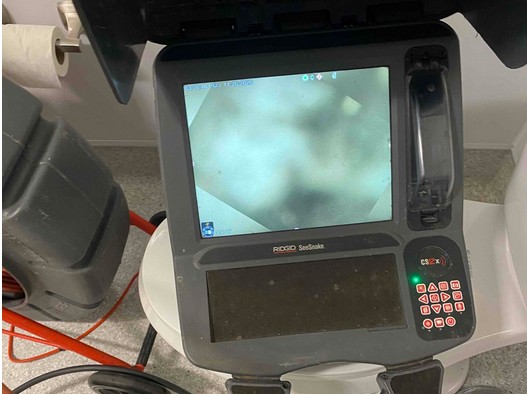
Sometimes, what looks like a simple clog is actually a symptom of a failing pipe. In older properties, cast iron pipes can scale over and eventually collapse, while clay pipes can shift due to soil movement. When a pipe loses its structural integrity, dirt and rocks from the surrounding soil can enter the line, creating a "clog" that is actually an external blockage. Attempting to clear these with standard consumer tools can cause the pipe to collapse further, leading to a sinkhole or a massive sewage leak. Only a professional with a sewer camera can identify if your clog is a simple matter of debris or a warning sign of a structural emergency.

The Drains You Forget: A Guide to Your Home's Floor, Laundry, and Utility Drains
When you think of a clogged drain, your mind probably goes straight to the kitchen sink or the bathroom shower. While these are common trouble spots, your home relies on a network of other, often-overlooked drains that work tirelessly behind the scenes. Your floor, laundry, and utility drains handle some of the toughest debris in your home.
Because they are out of sight and out of mind, these drains are often neglected until they cause a major backup or flood. The team at Let's Fix Plumbing is here to shine a light on these unsung heroes of your plumbing system.
The Laundry Room Drain: Your Defense Against Lint and Sludge
Your washing machine expels a high volume of water with every cycle, and that water is filled with more than just soap. The laundry drain is tasked with handling lint, fabric fibers, shed dirt, grime, and thick detergent or fabric softener residue. Over time, this combination creates a dense, sludgy clog that can cause water to back up all over your laundry room floor. A simple mesh lint trap on your washer's discharge hose can help, but periodic professional cleaning is the best way to keep this critical drain flowing freely.
The Utility Sink: The Grimy Workhorse
Often located in a basement, workshop, or mudroom, the utility sink is the workhorse designed for the dirtiest jobs—washing paintbrushes, cleaning tools, or rinsing muddy boots. As a result, it’s subjected to materials that would never go down a kitchen sink, including grease, paint, soil, and small debris. It's crucial to avoid washing down materials that can harden, like plaster or cement, and to be mindful of the debris you rinse away.
The Floor Drain: Your Guardian Against Flooding
This is perhaps the most important drain you never think about. Located in basements, garages, and sometimes laundry rooms, the floor drain's sole purpose is to prevent flooding from a leaking water heater, washing machine overflow, or melting snow from your car (a common issue in Utah). Its biggest problem is neglect. It can get clogged with dust and debris, rendering it useless in an emergency. It can also dry out, breaking the water seal in the P-trap and allowing foul sewer gas to seep into your home. Periodically pouring a gallon of water down your floor drain keeps the trap full and ensures it's ready for an emergency.
If you've never had these drains inspected or cleaned, you could be at risk for a messy surprise. Contact Let's Fix Plumbing today to schedule a whole-home drain checkup and ensure every part of your system is in top condition.
Why Choose Let's Fix Plumbing
- Locally Owned & Operated
- 24/7 Emergency Services
- Licensed & Uniformed Technicians
- 5-Star Google and Yelp Reviews
- Upfront Estimates
- Easy Online Appointments
The Hidden Health Hazards Lurking Inside Your Slow Drain
A slow or clogged drain is usually seen as a simple plumbing inconvenience—a nuisance that needs to be dealt with. But what’s really going on inside that dark, damp pipe is more than just an obstruction. A clogged drain creates a stagnant, unhygienic environment that can become a breeding ground for a host of things you definitely don’t want in your home.
The truth is, a slow drain isn't just a threat to your pipes; it can pose a hidden risk to your family's health and your home's air quality. The team at Let's Fix Plumbing believes a clean drain is part of a healthy home.
A Breeding Ground for Bacteria and Mold
The gunk that clogs your pipes—a mixture of hair, soap scum, food particles, and grease—is the perfect food source for microorganisms. In the dark, damp environment of a blocked pipe, this debris creates an ideal incubator for:
- Harmful Bacteria: Bacteria like E. coli, Salmonella, and Campylobacter can thrive on the decaying organic matter trapped in a kitchen sink clog.
- Mold and Mildew: A constantly damp drain is a perfect place for mold and mildew to grow. Every time water runs, it can release mold spores into the air through the drain opening, which can be a major irritant for anyone with allergies, asthma, or respiratory issues.
Foul Odors and Poor Indoor Air Quality
That unpleasant smell wafting up from a slow drain isn't just a bad odor; it's a sign of biological activity. The smell is often caused by bacteria releasing hydrogen sulfide gas—the classic "rotten egg" smell—as they break down the trapped debris. Inhaling these low-level sewer gases and airborne mold spores day after day can contribute to headaches, fatigue, and general respiratory irritation. It directly impacts the quality of the air you breathe inside your home.
Attracting Unwanted Pests
Nothing attracts pests like a stagnant source of food and water. A clogged drain provides both. This environment is highly attractive to:
- Drain Flies: These small, moth-like insects breed in the sludge that builds up in slow drains.
- Fruit Flies and Cockroaches: These pests are drawn to the decaying organic matter and can use your plumbing as a highway to infest your home.
Clearing a clog is about more than just getting water to flow again. It’s about removing an unsanitary hazard from your home. If you have a slow, smelly drain, don't wait. Call Let's Fix Plumbing to have it professionally and hygienically cleaned.
Contact Let's Fix Plumbing Today!
Let's Fix Plumbing is a fully licensed and insured plumbing business servicing the Springville, Utah area. We offer a broad range of drain cleaning services in Utah. Give us a call today at (801) 346-9896 to schedule service.