 Skip to content
The integrity of your sewer line is crucial for a sanitary and functional property in Alpine, 84004. Unfortunately, factors like tree root intrusion, shifting soil, and aging pipes can lead to breaks and blockages. Let's Fix Plumbing offers state-of-the-art sewer line replacement and repair services designed for Alpine, 84004 properties.
We use advanced diagnostics to pinpoint the exact problem. For dependable sewer line expertise in Alpine, 84004, contact Let's Fix Plumbing through our site to schedule your consultation.
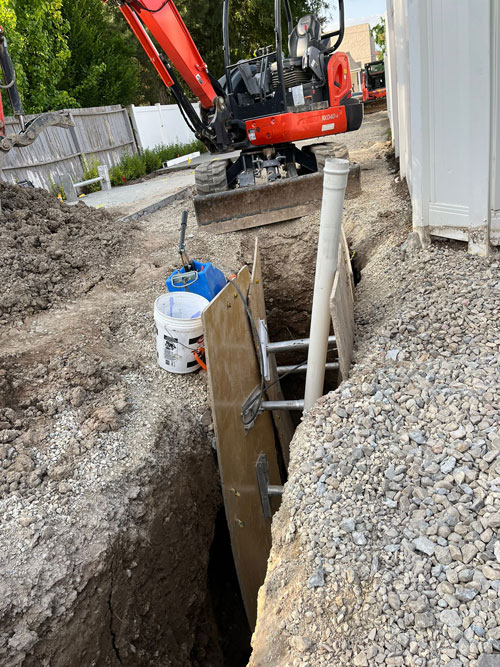
Sewer Repair vs. Replacement: Which One Do You Actually Need?
Assessing the Extent of Pipe Degradation
The choice between a targeted repair and a full replacement depends on the "health" of the entire line. If your sewer line is generally in good condition but has one specific break caused by a fence post or a single tree root, a spot repair is often sufficient. However, if the pipe is made of an outdated material like Orangeburg or thin-wall cast iron and shows signs of widespread "pitting" or multiple cracks, a single repair is just a temporary fix for a system that is failing as a whole.
Considering the Age and Material of Your Lines
Plumbing materials have a finite lifespan. Clay pipes are prone to joint separation, while cast iron eventually rusts from the inside out. If your home is over 50 years old and you are experiencing frequent issues, a full replacement is often the more "financially sound" move. Replacing the line now prevents the need for multiple, expensive emergency repairs over the next few years. We provide a full "cost-benefit analysis" after our camera inspection to help you decide which path offers the best long-term value.
Why Professional Guidance Saves You Money
It is easy to choose the "cheapest" fix in the moment, but that often leads to higher costs down the road. Our team evaluates the "slope," the material, and the proximity of trees to give you an honest recommendation. If a replacement is necessary, we can often use trenchless technology to keep the costs down and your landscape intact. Hiring a professional ensures that you aren't just "throwing money at a hole in the ground," but are making an informed investment in your property’s future.
Don't Let That Foul Sewer Smell Compromise Your Family's Health.
That foul, rotten-egg odor you smell in your basement, bathroom, or yard is not just an unpleasant nuisance—it’s a critical warning signal. That smell is sewer gas, and your plumbing system is specifically designed to be an airtight barrier to keep it safely outside your home. When you can smell it, it means that barrier has been breached. This gas is more than foul; it's a toxic mixture that can pose a direct risk to your family's health and comfort. At Let's Fix Plumbing, we treat sewer gas odors in Alpine properties with the urgency they deserve, pinpointing the source of the breach and permanently sealing your system.
What Is Sewer Gas and Why Is It Dangerous?
Sewer gas isn't a single gas but a complex, variable mixture produced by decomposing wastewater and solid waste. This toxic mix often contains gases that are hazardous to your health.
- What You're Smelling: The most recognizable "rotten egg" smell is hydrogen sulfide, an irritant and chemical asphyxiant. The mix also contains ammonia (an irritant), methane (flammable and can displace oxygen), and carbon dioxide.
- The Health Risks: These gases are not meant to be inhaled. Chronic, low-level exposure to sewer gas can cause a range of symptoms, including persistent headaches, nausea, fatigue, dizziness, and irritation of the eyes and respiratory tract. At high concentrations, these gases can be extremely dangerous.
- The Fire Hazard: High concentrations of methane gas within the sewer gas mixture can be explosive, posing a significant fire risk in contained spaces like a basement.
How Is Sewer Gas Getting Inside? Common Causes of a System Breach
Your home’s plumbing uses vents and water-filled "P-traps" (the U-shaped pipe under every sink and drain) to block sewer gas. If you smell it, one of these barriers has failed.
- Dry P-Traps: This is the simplest cause. A floor drain in a basement or a sink in an unused guest bathroom can dry out, allowing gas to flow freely.
- Broken or Cracked Vent Pipes: Your home has a vent system (pipes that go to your roof) to equalize pressure. If one of these pipes cracks inside a wall, it can leak sewer gas directly into your home.
- A Failing Main Sewer Line: This is the most serious cause. A severe clog, root blockage, or break in your main sewer line creates immense back pressure, forcing toxic gases backward through your system and up through your drains, overpowering the water in your traps. A break outside your home will leak this gas directly into the soil, causing the odor in your yard.
Our Process: How We Find and Eliminate the Odor for Good
Don't live with the smell or the health risk. Our process is designed to scientifically locate the breach and provide a permanent solution.
- Full System Diagnostic: We start by assessing your home's entire drainage system. We check for simple fixes, like dry P-traps, while also assessing the main ventilation and drainage lines.
- Sewer Camera Inspection: To rule out (or confirm) the most serious cause, we deploy a high-definition camera into your main sewer line. This allows us to see the exact condition of the pipe and identify any major clogs, root blockages, or breaks that are causing the pressure backup and odor.
- Professional Smoke Testing: For persistent odors inside the home, we can perform a non-toxic smoke test. We pump a dense, harmless smoke into your sewer system from the outside. If there is a cracked vent pipe in a wall or a bad seal on a toilet, the smoke will escape, showing us the exact location of the leak.
- Sealing the System: Once the breach is identified, we provide the permanent solution. Whether it’s clearing a main line blockage with hydro-jetting or repairing a broken pipe with trenchless lining, we will restore the airtight integrity of your plumbing system, ensuring sewer gas—and its health risks—are locked out for good.
Why Choose Let's Fix Plumbing
- Locally Owned & Operated
- 24/7 Emergency Services
- Licensed & Uniformed Technicians
- 5-Star Google and Yelp Reviews
- Upfront Estimates
- Easy Online Appointments
3 Things Every New Homebuyer Should Know About the Sewer Line
1. The Standard Home Inspection Doesn't Cover It
Most homebuyers assume that a general home inspection includes the sewer line, but this is a dangerous misconception. A standard inspector only checks if the toilets flush; they do not look at the condition of the buried pipes. Before you sign the closing papers, you should always insist on a Sewer Scope. This small investment can reveal thousands of dollars in hidden damage—like root intrusions or "bellied" pipes—before you inherit the problem.
2. "Age of Home" is the Best Predictor of Failure
If you are buying a "charming" historic home, you are likely buying a clay or cast-iron sewer line that is at or beyond its life expectancy. Even if the drains seem to work during the walkthrough, the "surge" of a new family moving in can cause a weakened system to fail immediately. Understanding the material of the sewer line is just as important as knowing the age of the roof or the HVAC system.
3. You Have Leverage Before the Sale
If a sewer scope reveals issues, you can negotiate with the seller to have the line repaired or replaced before you move in. Alternatively, you can ask for a "closing credit" to cover the cost of the work. Once you take the keys, the sewer line is 100% your financial responsibility. Hiring a professional to perform a pre-purchase inspection is the smartest move you can make to protect your new investment.
Contact Let's Fix Plumbing Today!
Let's Fix Plumbing is a fully licensed and insured plumbing business servicing the Alpine, 84004 area. We offer a broad range of sewer line replacement services in Utah. Give us a call today at (801) 346-9896 to schedule service.