 Skip to content
For homes and businesses throughout Cottonwood Heights, a compromised sewer line is more than a minor inconvenience—it's an urgent problem requiring professional intervention. Let's Fix Plumbing specializes in comprehensive sewer line repair and replacement, tackling everything from persistent backups to complete pipe collapses for our Cottonwood Heights clients.
We are trusted experts for restoring your plumbing’s most vital connection. Don't wait for a small issue to become a catastrophe; reach out to Let's Fix Plumbing via our website to secure your service.

5 Warning Signs Your Main Sewer Line is Collapsing
Recognizing the Red Flags of Structural Failure
A collapsing sewer line is a progressive disaster that often starts with subtle symptoms. The most common indicator is localized sinkholes or unusually lush, green patches in your lawn where the soil is being "fertilized" by escaping sewage. Inside the home, you may notice multiple fixtures backing up simultaneously or a persistent "sewage smell" that doesn't go away after cleaning. These are signs that the pipe's structural integrity is compromised, allowing dirt to enter and block the flow entirely.
The Dangers of "Cyclical" Backups
If you find yourself needing to snake your drains every few months, you aren't dealing with a simple clog; you are likely dealing with a pipe that is losing its shape. As a pipe collapses, it creates "bellies" or jagged edges that catch debris instantly. This cyclical nature of clogs is a major warning that the pipe walls are bowing inward. Ignoring these signs can lead to a complete structural cave-in, which can cause foundation shifts and massive interior flooding.
Why Professional Imaging is the Only Way to Confirm
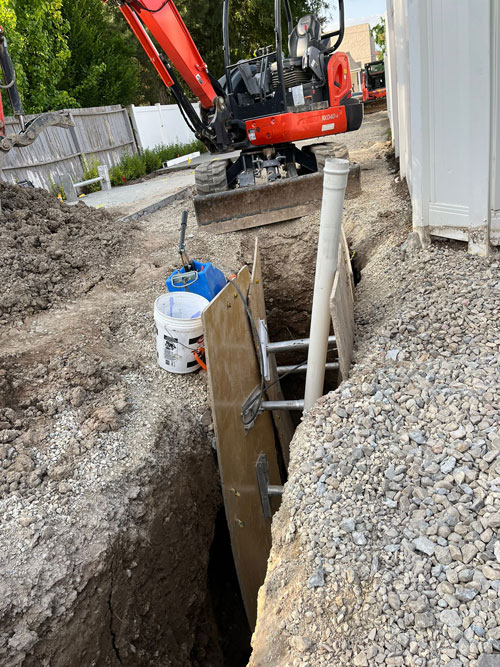
You cannot diagnose a collapse from the surface. Our team uses high-definition sewer cameras to travel deep into the line and see the exact state of the pipe walls. We look for "fracture patterns" and soil intrusion that indicate a collapse is imminent. By catching a failing line before it completely caves in, we can often utilize less invasive repair methods, saving you from the high cost of a total emergency excavation.
Why Ignoring a Sewer Problem Will Cost You Thousands in Property Damage
It's tempting to ignore a slow drain, a gurgling toilet, or a faint, unpleasant smell. Many property owners hope the problem will simply go away on its own. When it comes to your main sewer line, this is the single most expensive mistake you can make. A "minor" sewer problem never fixes itself; it only escalates, and the cost of inaction will always be exponentially higher than the cost of a proactive repair. At Let's Fix Plumbing, we help homeowners across Cottonwood Heights understand that fixing the problem now is the best way to save thousands of dollars and protect your property.
The Snowball Effect: From a Small Clog to a Financial Catastrophe
A symptom like a gurgling drain means your sewer line is already under stress and partially blocked. Ignoring it guarantees a future failure. The "property damage" costs are not just for the pipe repair; they are for the catastrophic collateral damage that results from the failure.
The costs of inaction include:
- Emergency Sewage Backup Cleanup: When the line fails completely, raw sewage (black water) floods your home through the lowest points, like basement showers and floor drains. This requires immediate, professional biohazard remediation, which can cost thousands of dollars on its own.
- Total Destruction of Finished Spaces: Black water is incredibly destructive. It permanently ruins everything it touches, requiring the complete demolition and replacement of carpets, padding, hardwood, laminate flooring, subfloors, drywall, baseboards, and any furniture in the area.
- Toxic Mold Remediation: The intense moisture from a backup, especially in hidden areas behind walls, creates the perfect environment for toxic black mold. This requires a separate, expensive mold remediation process to make your home safe to live in again.
- Foundation & Structural Damage: If the sewer problem is a leak outside (not just a clog), the damage is even worse. The constant leak erodes the soil supporting your home's foundation, creating voids. This causes your foundation to sink and crack, leading to tens of thousands of dollars in separate structural repairs.
- Landscaping and Yard Damage: An ignored leak will eventually supersaturate your yard, creating unusable, smelly, marshy sinkholes that require extensive excavation and re-grading to fix.
An Inspection Now Saves a Fortune Later
The cost of a single sewer camera inspection to diagnose a problem is microscopic compared to the cost of even one sewage backup. The price of a planned, trenchless pipe repair on your schedule is a fraction of the combined bill for an emergency plumber, a biohazard crew, a mold remediation team, and a home contractor.
The Smart Investment vs. The Catastrophic Cost:
- The Proactive Path: You pay once for a camera inspection to get hard facts. If a problem exists, you pay a planned, predictable amount for a permanent trenchless repair. Your home is protected, and your total cost is contained.
- The Path of Inaction: You pay for the emergency plumbing call (at after-hours rates). You pay the biohazard cleanup crew. You pay the demolition crew. You pay the mold remediation company. You pay the contractor to rebuild your basement. And after all that, you still have to pay to fix the broken sewer pipe that caused it all.
Don't wait for the catastrophe. If you suspect a problem, call Let's Fix Plumbing today to schedule an inspection and choose the proactive, cost-saving solution.
Why Choose Let's Fix Plumbing
- Locally Owned & Operated
- 24/7 Emergency Services
- Licensed & Uniformed Technicians
- 5-Star Google and Yelp Reviews
- Upfront Estimates
- Easy Online Appointments
Who is Responsible for the Sewer Line Under the Street?
Understanding the Property Line "Upper Lateral"
A major point of frustration for many homeowners is discovering that they are responsible for the sewer pipe even after it leaves their yard. In most municipalities, the homeowner owns and is responsible for the "upper lateral"—the section of pipe that runs from the house all the way to the "wye" connection at the city main, even if that connection is under a public street or sidewalk. If a break occurs under the asphalt, the city typically requires you to hire a licensed contractor to fix it.
Navigating City Permits and Street Opening Bonds
Repairing a pipe under a public street is vastly more complex than a yard repair. It requires specific municipal permits, traffic control plans, and "street opening bonds" to ensure the road is restored to city standards. Our team is fully licensed and bonded to perform these "off-property" repairs. We handle the bureaucracy and the logistics of working with the city water department, ensuring that your repair is compliant with all local codes and regulations.
Why You Need a Contractor with Municipal Experience
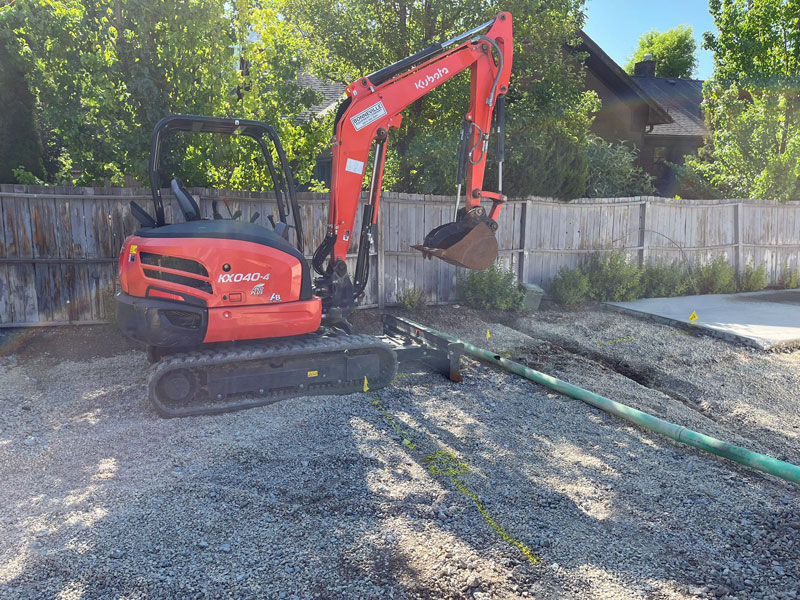
Working in the public right-of-way involves coordinating with other utility providers to avoid hitting gas or fiber-optic lines. It is not a job for a standard residential plumber. We have the heavy equipment and the insurance credentials required to work in the street, protecting you from the massive liabilities associated with public-sector repairs. Hiring a professional with municipal experience is the only way to ensure the city "signs off" on your repair without issue.
Contact Let's Fix Plumbing Today!
Let's Fix Plumbing is a fully licensed and insured plumbing business servicing the Cottonwood Heights, 84047 area. We offer a broad range of sewer line replacement services in Utah. Give us a call today at (801) 346-9896 to schedule service.