 Skip to content
Many older properties in Draper are still operating on outdated clay or cast-iron sewer lines that have surpassed their functional lifespan. Let's Fix Plumbing helps property owners transition to modern, root-proof piping materials that offer a lifetime of reliability. We focus on "future-proofing" your drainage system, replacing fragile, corroded lines with high-performance solutions designed for 21st-century demands.
Is your aging plumbing struggling to keep up? If you’re located in Draper, our modernization experts can help you avoid the cycle of emergency repairs. Contact us today to discuss your sewer replacement options.

Protect Your Foundation: Why a Small Sewer Leak Is a Major Structural Threat
Your home’s foundation is its most critical asset, and one of its greatest silent enemies is a leaking sewer line. A cracked or separated sewer pipe doesn't just waste water or create a bad smell; it actively undermines the structural integrity of your entire property by releasing a steady flow of water directly into the soil that supports your foundation. This is not just a plumbing problem; it's a direct threat to your home's stability. At Let's Fix Plumbing, we help homeowners across Draper, 84003 diagnose and stop these leaks before they lead to catastrophic and expensive structural failure.
How a Broken Sewer Pipe Destroys Foundations
This destructive process happens slowly, silently, and directly beneath your feet. Any sewer pipe that runs under or near your home’s slab or footings becomes a liability the moment it’s breached.
- Soil Oversaturation: A leaking pipe constantly saturates the compacted soil around your foundation. Soil that is supposed to be stable and supportive turns into unstable, muddy slurry.
- Erosion and Soil Washout: The constant flow of water—even from a small crack—begins to slowly wash away the fine particles of soil (like sand and silt) that provide the structural support for the concrete.
- Void Creation: Over time, this erosion creates an empty space, or "void," directly beneath your concrete slab or foundation footing. The foundation is now spanning over hollow ground, bearing the entire weight of your house without support from below.
- Settling, Shifting, and Cracking: Gravity always wins. The immense weight of the house forces the unsupported section of the foundation to sink, settle, or shift into the void. This movement is what causes diagonal cracks in your basement walls, uneven floors, sticking doors and windows, and cracked drywall seams inside your home.
Our Solution: Secure Your Line, Save Your Foundation
By the time you see cracks in your drywall, the damage to your foundation is already significant. The key is to address the cause (the sewer leak) the moment it's suspected. If you have recurring clogs, foul odors, or soggy spots near your home, you must investigate the sewer line immediately.
- Advanced Camera Diagnosis: We don’t guess. We send a high-definition sewer camera through your plumbing to visually inspect the critical area where the pipe runs under or exits your foundation. We can see the exact crack, offset joint, or root intrusion that is causing the leak.
- Pinpoint the Breach: Our camera equipment allows us to pinpoint the exact location and depth of the failure, so we know precisely where the erosion is occurring.
- Trenchless "No-Dig" Repair: The last thing you want near a vulnerable foundation is a massive, disruptive excavation. Our modern, trenchless CIPP (Cured-In-Place-Pipe) lining process is the perfect solution. We can insert a new structural liner into the old pipe and cure it in place, sealing the leak permanently from the inside.
- Stop the Damage, Permanently: This "no-dig" repair requires no destructive trenching next to your home. It immediately stops the leak, preventing any further soil erosion and allowing the ground around your foundation to stabilize. This single plumbing repair can save you tens of thousands of dollars in future foundation leveling and structural concrete work.
When to Stop Cleaning and Start Replacing Your Sewer Line
Breaking the Cycle of Temporary Fixes
If you are calling a plumber once or twice a year to "snake out" your main line, you are spending money on a symptom rather than the cure. While cleaning provides temporary relief, it does nothing to fix a shifted joint, a cracked wall, or a heavy root infestation. Eventually, the cost of repeated "emergency" cleanings will exceed the cost of a permanent repair. Recognizing when you’ve reached the "point of diminishing returns" is key to protecting your finances.
The Damage Caused by Frequent Snaking
Standard mechanical snaking is an aggressive process. If your pipe is already weakened by age or corrosion, the repeated impact of a steel cable can actually accelerate the failure of the pipe walls. If we find that we are pulling back "dirt" or "rocks" during a cleaning, it’s a definitive sign that the pipe has breached and cleaning is no longer a viable option. At this stage, continued cleaning is a liability, not a solution.
Making the Shift to Permanent Restoration
A professional sewer replacement ends the cycle of stress and water damage. We provide a transparent comparison between the ongoing costs of maintenance and the one-time investment of a replacement. With modern trenchless options, we can often replace the line in a single day, giving you back your peace of mind and a functional drainage system that won't require another thought for decades.
Why Choose Let's Fix Plumbing
- Locally Owned & Operated
- 24/7 Emergency Services
- Licensed & Uniformed Technicians
- 5-Star Google and Yelp Reviews
- Upfront Estimates
- Easy Online Appointments
Don't Turn a Simple Repair into a Replacement: The True Cost of DIY Mistakes
When a main sewer line clogs, many homeowners in Draper, 84003 jump into action, hoping to save money on what they believe is a simple clog. This logic is the single most common reason a simple "repair" job turns into a catastrophic, full-yard "replacement." The true cost of a DIY mistake isn't the rental fee for an auger; it's the $15,000+ difference in cost after that auger destroys your pipe, making all the affordable, simple repair options impossible. At Let's Fix Plumbing, our professional process is designed to protect your options and save your pipe, not just clear it.
The Tipping Point: How a "Repairable" Pipe Becomes "Destroyed"
Understanding the difference between a repair and a replacement is key. A "repair" (like trenchless lining) is an affordable solution that uses your existing pipe. A "replacement" (like excavation) is a total, destructive, and far more expensive operation. A DIY mistake is often the event that makes the cheap option impossible.
- Scenario 1: The "Repairable" Pipe (Before DIY) Your 50-year-old clay pipe is cracked and filled with tree roots. It backs up constantly. However, the pipe is still intact and round. This pipe is a perfect candidate for a simple repair: we can use a hydro-jetter to clean it and then install a "no-dig" trenchless CIPP liner. This creates a new pipe inside the old one. This solution is fast, requires no excavation, and is a moderate, predictable cost.
- Scenario 2: The "Replacement" Pipe (After DIY) You rent a powerful auger to "save money." You run that aggressive steel cutting head blindly into the same 50-year-old brittle clay pipe. The cutter snags a crack and the force shatters the pipe, causing a 5-foot section to collapse into rubble.
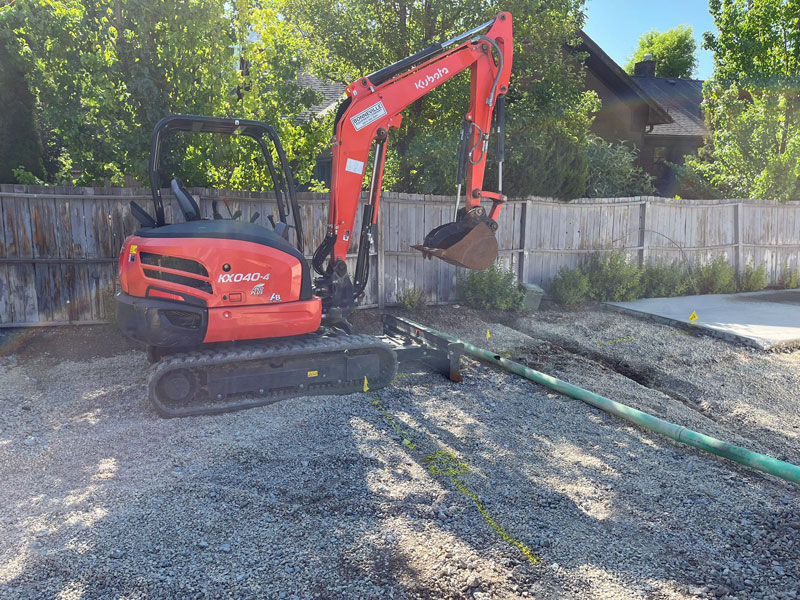
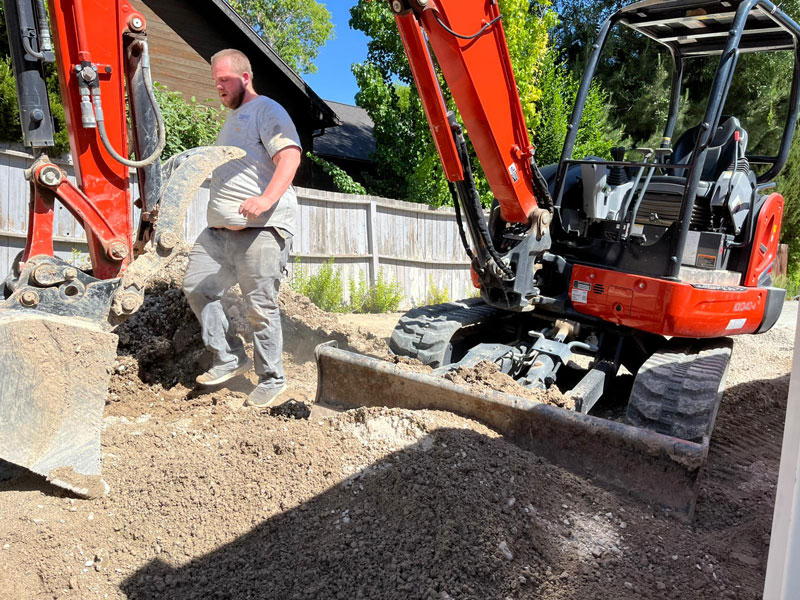
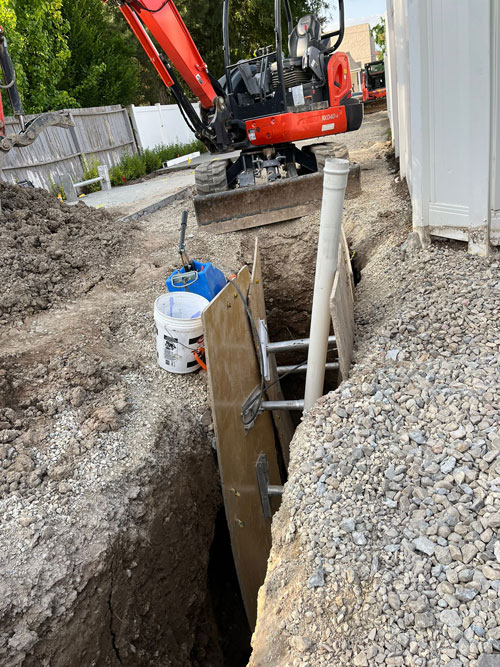
- The Devastating Consequence: Your pipe is now "destroyed." It is no longer a candidate for the affordable trenchless liner—you cannot install a liner inside a pile of crushed clay. Your DIY attempt has just personally eliminated the simple repair option. The only solution left is a full, catastrophic replacement, which requires us to bring in an excavator, dig a massive trench across your yard, and manually replace the entire line. You just turned a simple repair into a $20,000 nightmare.
Our Process: Protecting Your Repair Options
Our entire professional method is built around one philosophy: diagnose first to protect the pipe. By avoiding blind guesswork, we preserve your most affordable solutions.
- Camera-First Diagnosis: We NEVER use a cutting tool blindly. Our camera inspection immediately tells us the material (clay, cast iron, etc.) and its condition. If we see a pipe is brittle, we know an aggressive auger is the wrong tool and would cause a collapse.
- Hydro-Jetting (The Safe Cleaner): Instead of a destructive auger that can shatter pipes, our high-pressure hydro-jetting safely scours roots and sludge from the pipe walls. This clears the clog without compromising the pipe's structural integrity.
- Preserving the "Simple Repair": By diagnosing correctly and cleaning safely, we keep the pipe intact, preserving your ability to choose the "simple repair." We can now offer you the affordable, permanent trenchless CIPP lining solution—the very repair you wanted from the start. Don't let a $200 rental fee cost you thousands; call the pros who know how to protect your options.
Contact Let's Fix Plumbing Today!
Let's Fix Plumbing is a fully licensed and insured plumbing business servicing the Draper area. We offer a broad range of sewer line replacement services in Utah. Give us a call today at (801) 346-9896 to schedule service.