 Skip to content
Across the diverse communities of Farr West, a functional sewer line is essential for daily life. Signs like gurgling drains, foul odors, or soggy spots in your yard all point to a serious issue underground.
Let's Fix Plumbing is your dedicated partner for all sewer line repair and replacement needs, serving properties throughout Farr West, 84404 with precision and professionalism. We are committed to protecting your property. Visit our website to connect with our team and book your sewer service today.

Are Aggressive Tree Roots Strangling Your Sewer Pipes? We Have the Solution.
The mature trees that add beauty and value to your Farr West property hide a hidden threat: their root systems. Tree root intrusion is, without question, the single most common cause of catastrophic main sewer line failure. These roots are naturally drawn to the water and nutrients inside your pipes, and they are powerful enough to break in and completely take over. At Let's Fix Plumbing, we specialize in not just clearing tree roots, but providing permanent, long-term solutions to stop them from ever coming back.
Why Your Sewer Pipe is a Magnet for Tree Roots
It’s a natural process that, unfortunately, can destroy your plumbing. Your sewer line is a perfect target for any nearby tree, and roots can sense it from yards away.
- Vapor Detection: Your sewer pipes (especially older ones with joints) release tiny, invisible plumes of warm water vapor into the cooler soil. Tree roots are biologically programmed to seek water and will follow this vapor trail directly back to its source.
- Nutrient-Rich Target: Once a root finds a tiny crack, joint, or opening, it taps into a constant source of water and rich nutrients. This causes the root to "explode" in growth inside the pipe.
- The "Net" Effect: As roots grow, they form a thick "web" or "ball" inside the pipe. This root mass acts like a net, catching toilet paper, grease, and solid waste until the entire line is choked off, leading to recurring backups.
- Pipe Destruction: This isn't just a clog; it's a structural attack. As the roots expand, they exert thousands of pounds of pressure, widening cracks, separating pipe joints, and eventually causing the pipe to collapse completely.
Our Professional Root Control & Removal Process
Simply snaking a drain with root intrusion is like giving the roots a quick trim—they will grow back, often thicker and faster. Our process is designed to eliminate the roots and remove their ability to re-enter the pipe.
- Sewer Camera Inspection: First, we must see the problem. We deploy our high-resolution sewer camera to confirm that roots are the culprit, identify their exact location, and—most importantly—assess the structural condition of your pipe. We'll show you the footage so you can see the invasion for yourself.
- Total Root Removal (Hydro-Jetting): We use high-pressure water jets (hydro-jetting) or specialized mechanical cutting heads. Unlike a simple snake that just punches a small hole through the center, our equipment scours the entire inner wall of the pipe, cutting the roots completely flush and washing them out of your system.
- The Permanent Solution (Trenchless Lining): Once the pipe is clean, we offer the real solution: Cured-In-Place-Pipe (CIPP) lining. This trenchless technology allows us to insert a flexible, resin-saturated liner into your old pipe and inflate it. This liner cures in place, forming a brand-new, seamless, and rock-hard pipe inside the old one. This new pipe seals every crack and joint, creating an impenetrable barrier that roots simply cannot get through, guaranteeing a permanent fix without destroying your landscaping
When to Stop Cleaning and Start Replacing Your Sewer Line
Breaking the Cycle of Temporary Fixes
If you are calling a plumber once or twice a year to "snake out" your main line, you are spending money on a symptom rather than the cure. While cleaning provides temporary relief, it does nothing to fix a shifted joint, a cracked wall, or a heavy root infestation. Eventually, the cost of repeated "emergency" cleanings will exceed the cost of a permanent repair. Recognizing when you’ve reached the "point of diminishing returns" is key to protecting your finances.
The Damage Caused by Frequent Snaking
Standard mechanical snaking is an aggressive process. If your pipe is already weakened by age or corrosion, the repeated impact of a steel cable can actually accelerate the failure of the pipe walls. If we find that we are pulling back "dirt" or "rocks" during a cleaning, it’s a definitive sign that the pipe has breached and cleaning is no longer a viable option. At this stage, continued cleaning is a liability, not a solution.
Making the Shift to Permanent Restoration
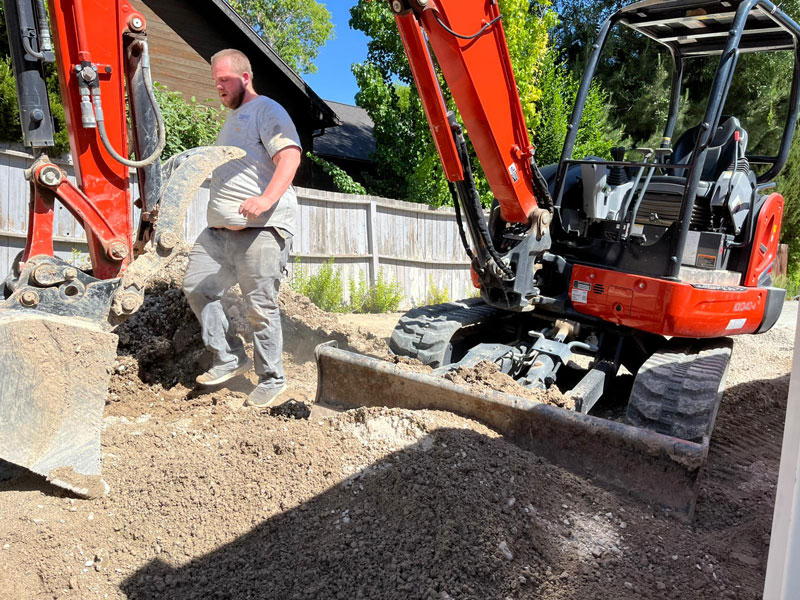
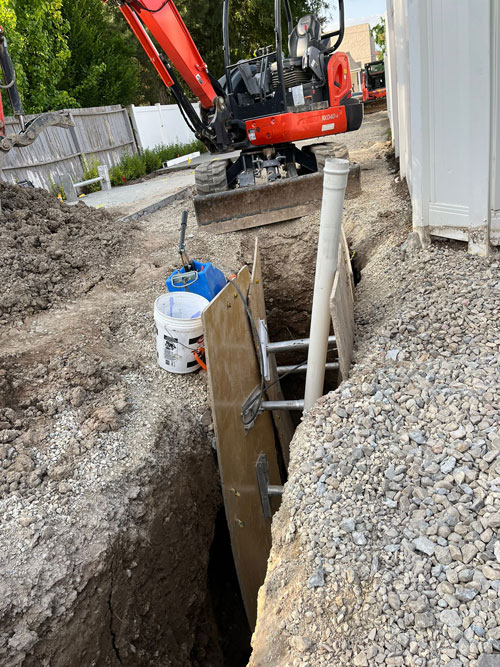
A professional sewer replacement ends the cycle of stress and water damage. We provide a transparent comparison between the ongoing costs of maintenance and the one-time investment of a replacement. With modern trenchless options, we can often replace the line in a single day, giving you back your peace of mind and a functional drainage system that won't require another thought for decades.
Why Choose Let's Fix Plumbing
- Locally Owned & Operated
- 24/7 Emergency Services
- Licensed & Uniformed Technicians
- 5-Star Google and Yelp Reviews
- Upfront Estimates
- Easy Online Appointments
Put Down the Chemical Drain Cleaner: Why It Can't Fix a Main Sewer Problem.
It’s the first instinct for many homeowners facing a backup: head to the store and grab the strongest chemical drain cleaner on the shelf. While those caustic liquids might offer a temporary fix for a simple hair clog in a single sink or shower, they are completely useless—and actively dangerous—when dealing with a main sewer line problem. Pouring chemicals down your drain to fix a main line backup is like trying to fix a broken engine with a car wash. At Let's Fix Plumbing, we urge all Farr West residents to understand why this approach fails and what the correct solution actually is.
Why Chemical Cleaners Fail (and Make Things Worse)
Store-bought drain openers fail on main lines because they are the wrong tool, for the wrong problem, in the wrong place. Main line blockages are not the same as a simple sink clog.
- It Can't Fix the Real Problem: Chemical cleaners are designed to dissolve organic matter like hair and soap scum. They cannot dissolve a massive ball of tree roots. They cannot fix a cracked or collapsed pipe. They cannot repair a separated joint. And they cannot fix a "bellied" (sagging) pipe. Since over 90% of main line failures are one of these structural issues, the chemical has zero chance of success.
- The Problem of Dilution & Scale: A bottle of cleaner is designed to be concentrated in a tiny 1.5-inch P-trap that holds a few ounces of water. Your main sewer line is 4 to 6 inches wide and holds gallons of backed-up wastewater. The moment you pour that bottle in, it’s diluted into uselessness long before it ever reaches the real blockage, which could be 50-100 feet away.
- It Creates a Toxic Hazard: This is the biggest danger. When the chemical inevitably fails to clear the line, it doesn't just disappear. It now sits in your pipes, creating a highly toxic, caustic sewer backup. This is a severe chemical burn risk for you, your family, and for our technicians who now have to snake or jet a line filled with acid or lye.
- It Actively Damages Your Pipes: The intense heat-generating reaction from these chemicals can soften and warp PVC pipes or rapidly accelerate corrosion on the inside of your already-fragile, aging cast iron pipes. You can easily turn a simple repair job into a catastrophic pipe collapse.
The Professional Solution: Diagnosis, Not Chemicals
Instead of pouring a blind guess down your drain, our process finds the real problem and applies the right solution.
- Sewer Camera Inspection: We don’t guess. The first and only step is to put a high-definition camera directly into your main line. This allows us (and you) to see the actual problem live on a monitor. We’ll show you if it’s roots, a collapse, a crack, or a belly. This replaces blind hope with hard data.
- The Right "Cleaner" (Hydro-Jetting): The only thing that should clean your main line is water. Our high-pressure hydro-jetting equipment uses up to 4,000 PSI of water to blast through tree roots, pulverize sludge, and scour the pipe walls clean. This is a power no chemical bottle can ever hope to match.
- The Permanent Structural Fix: If the camera reveals the pipe is actually broken, cracked, or has root intrusion, the only solution is a structural repair. Our trenchless pipe lining creates a brand new, rock-hard pipe inside your old one, permanently sealing it from roots and leaks. This is the permanent solution that a bottle of chemicals can only promise, but never deliver.
Contact Let's Fix Plumbing Today!
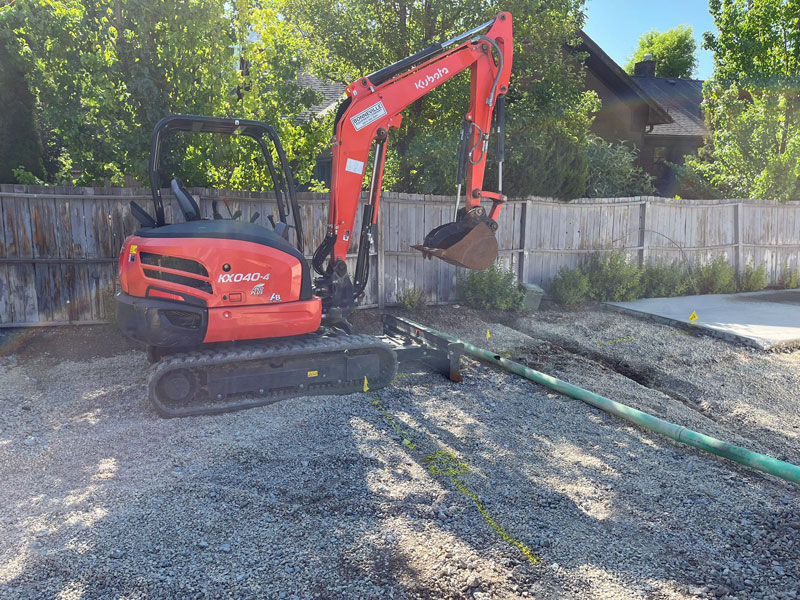
Let's Fix Plumbing is a fully licensed and insured plumbing business servicing the Farr West area. We offer a broad range of sewer line replacement services in Utah. Give us a call today at (801) 346-9896 to schedule service.