 Skip to content
For homes and businesses throughout Hooper, 84067, a compromised sewer line is more than a minor inconvenience—it's an urgent problem requiring professional intervention. Let's Fix Plumbing specializes in comprehensive sewer line repair and replacement, tackling everything from persistent backups to complete pipe collapses for our Hooper clients.
We are trusted experts for restoring your plumbing’s most vital connection. Don't wait for a small issue to become a catastrophe; reach out to Let's Fix Plumbing via our website to secure your service.
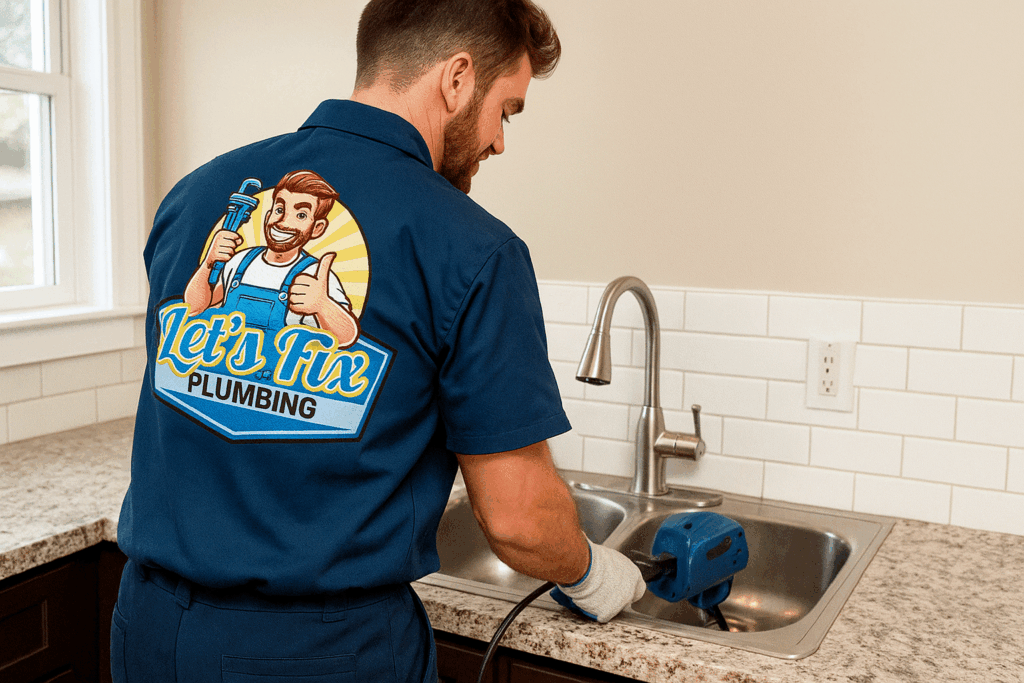
Decoding Foul Odors: Is It a Clog or a Broken Sewer Pipe?
Identifying the Source of Sewer Gas
Persistent odors in or around your property are more than a nuisance; they are a warning. If the smell is localized to one sink, it may be a "dry trap" or a simple organic clog. However, if the smell of "rotten eggs" (hydrogen sulfide) is pervasive throughout the home or strongest in the yard, it usually indicates a breach in the sewer line. A broken pipe allows sewer gases to escape the "closed loop" of your plumbing and permeate your living space or soil.
The Difference Between Methane and Bio-Sludge Smells
Differentiating between the smell of decaying food in a drain and true sewer gas is key to determining your repair strategy. Sewer gas is often accompanied by a "damp" or "musty" smell, indicating that sewage is leaking into the ground beneath your home. This moisture can also trigger mold growth behind walls, adding a different layer of odor. If the smell worsens when you run water, it’s a strong indicator that the pipe is cracked and releasing gases under pressure.
How Professional Smoke Testing Finds the Leak
When a visual inspection isn't enough, we use "smoke testing" to find the exact location of a break. By pumping non-toxic artificial smoke into the sewer system, we can see exactly where it escapes—whether it's a cracked vent pipe in the attic or a broken main line under the driveway. This diagnostic precision allows us to target the repair exactly where it’s needed, preventing you from paying for unnecessary "guesswork" and ensuring your home’s air quality is restored.
Don't Let That Foul Sewer Smell Compromise Your Family's Health.
That foul, rotten-egg odor you smell in your basement, bathroom, or yard is not just an unpleasant nuisance—it’s a critical warning signal. That smell is sewer gas, and your plumbing system is specifically designed to be an airtight barrier to keep it safely outside your home. When you can smell it, it means that barrier has been breached. This gas is more than foul; it's a toxic mixture that can pose a direct risk to your family's health and comfort. At Let's Fix Plumbing, we treat sewer gas odors in Hooper properties with the urgency they deserve, pinpointing the source of the breach and permanently sealing your system.
What Is Sewer Gas and Why Is It Dangerous?
Sewer gas isn't a single gas but a complex, variable mixture produced by decomposing wastewater and solid waste. This toxic mix often contains gases that are hazardous to your health.
- What You're Smelling: The most recognizable "rotten egg" smell is hydrogen sulfide, an irritant and chemical asphyxiant. The mix also contains ammonia (an irritant), methane (flammable and can displace oxygen), and carbon dioxide.
- The Health Risks: These gases are not meant to be inhaled. Chronic, low-level exposure to sewer gas can cause a range of symptoms, including persistent headaches, nausea, fatigue, dizziness, and irritation of the eyes and respiratory tract. At high concentrations, these gases can be extremely dangerous.
- The Fire Hazard: High concentrations of methane gas within the sewer gas mixture can be explosive, posing a significant fire risk in contained spaces like a basement.
How Is Sewer Gas Getting Inside? Common Causes of a System Breach
Your home’s plumbing uses vents and water-filled "P-traps" (the U-shaped pipe under every sink and drain) to block sewer gas. If you smell it, one of these barriers has failed.
- Dry P-Traps: This is the simplest cause. A floor drain in a basement or a sink in an unused guest bathroom can dry out, allowing gas to flow freely.
- Broken or Cracked Vent Pipes: Your home has a vent system (pipes that go to your roof) to equalize pressure. If one of these pipes cracks inside a wall, it can leak sewer gas directly into your home.
- A Failing Main Sewer Line: This is the most serious cause. A severe clog, root blockage, or break in your main sewer line creates immense back pressure, forcing toxic gases backward through your system and up through your drains, overpowering the water in your traps. A break outside your home will leak this gas directly into the soil, causing the odor in your yard.
Our Process: How We Find and Eliminate the Odor for Good
Don't live with the smell or the health risk. Our process is designed to scientifically locate the breach and provide a permanent solution.
- Full System Diagnostic: We start by assessing your home's entire drainage system. We check for simple fixes, like dry P-traps, while also assessing the main ventilation and drainage lines.
- Sewer Camera Inspection: To rule out (or confirm) the most serious cause, we deploy a high-definition camera into your main sewer line. This allows us to see the exact condition of the pipe and identify any major clogs, root blockages, or breaks that are causing the pressure backup and odor.
- Professional Smoke Testing: For persistent odors inside the home, we can perform a non-toxic smoke test. We pump a dense, harmless smoke into your sewer system from the outside. If there is a cracked vent pipe in a wall or a bad seal on a toilet, the smoke will escape, showing us the exact location of the leak.
- Sealing the System: Once the breach is identified, we provide the permanent solution. Whether it’s clearing a main line blockage with hydro-jetting or repairing a broken pipe with trenchless lining, we will restore the airtight integrity of your plumbing system, ensuring sewer gas—and its health risks—are locked out for good.
Why Choose Let's Fix Plumbing
- Locally Owned & Operated
- 24/7 Emergency Services
- Licensed & Uniformed Technicians
- 5-Star Google and Yelp Reviews
- Upfront Estimates
- Easy Online Appointments
Who is Responsible for the Sewer Line Under the Street?
Understanding the Property Line "Upper Lateral"
A major point of frustration for many homeowners is discovering that they are responsible for the sewer pipe even after it leaves their yard. In most municipalities, the homeowner owns and is responsible for the "upper lateral"—the section of pipe that runs from the house all the way to the "wye" connection at the city main, even if that connection is under a public street or sidewalk. If a break occurs under the asphalt, the city typically requires you to hire a licensed contractor to fix it.
Navigating City Permits and Street Opening Bonds
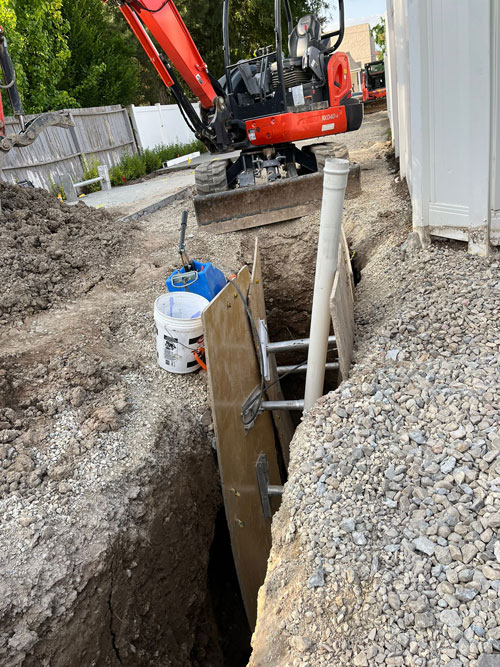
Repairing a pipe under a public street is vastly more complex than a yard repair. It requires specific municipal permits, traffic control plans, and "street opening bonds" to ensure the road is restored to city standards. Our team is fully licensed and bonded to perform these "off-property" repairs. We handle the bureaucracy and the logistics of working with the city water department, ensuring that your repair is compliant with all local codes and regulations.
Why You Need a Contractor with Municipal Experience
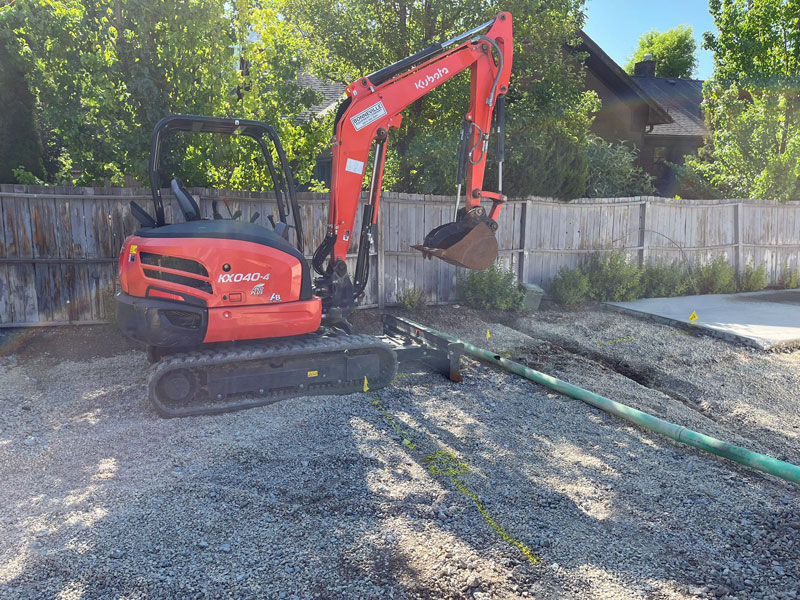
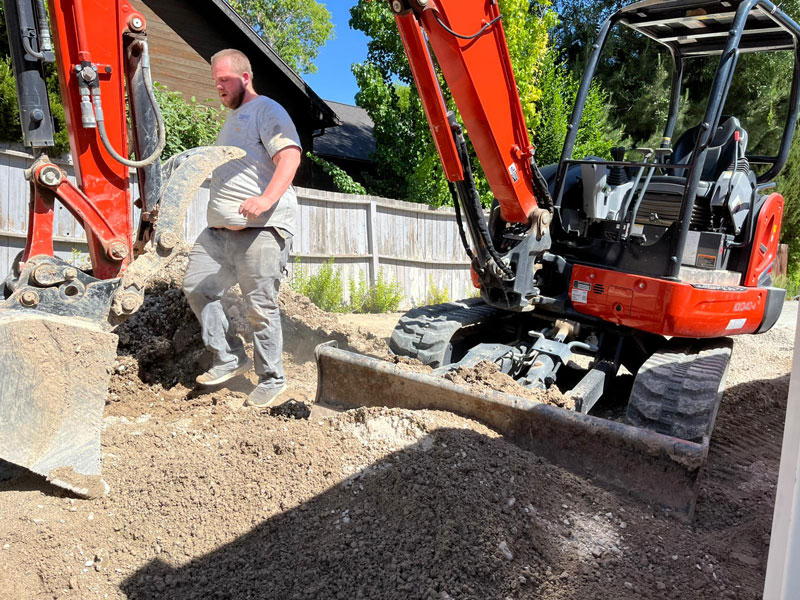
Working in the public right-of-way involves coordinating with other utility providers to avoid hitting gas or fiber-optic lines. It is not a job for a standard residential plumber. We have the heavy equipment and the insurance credentials required to work in the street, protecting you from the massive liabilities associated with public-sector repairs. Hiring a professional with municipal experience is the only way to ensure the city "signs off" on your repair without issue.
Contact Let's Fix Plumbing Today!
Let's Fix Plumbing is a fully licensed and insured plumbing business servicing the Hooper, 84067 area. We offer a broad range of sewer line replacement services in Utah. Give us a call today at (801) 346-9896 to schedule service.