 Skip to content
Many older properties in Magna are still operating on outdated clay or cast-iron sewer lines that have surpassed their functional lifespan. Let's Fix Plumbing helps property owners transition to modern, root-proof piping materials that offer a lifetime of reliability. We focus on "future-proofing" your drainage system, replacing fragile, corroded lines with high-performance solutions designed for 21st-century demands.
Is your aging plumbing struggling to keep up? If you’re located in Magna, our modernization experts can help you avoid the cycle of emergency repairs. Contact us today to discuss your sewer replacement options.
Gurgling Toilets and Slow Drains? It's a Main Line Warning Sign.
That strange gurgling sound from your toilet when the washing machine drains is more than just a weird quirk—it’s your plumbing system’s version of a "check engine light." When multiple drains in your home (like your shower, sinks, and toilets) all start to slow down at the same time, these aren't separate problems. They are the earliest and clearest warning signs that a significant blockage is forming in your main sewer line. Ignoring these signals will almost certainly lead to a complete and messy sewage backup. Let's Fix Plumbing serves all of Magna, 84044, specializing in diagnosing these early warnings to prevent a catastrophe.
What Your Plumbing Is Trying to Tell You
Your home's drainage system is designed to flow silently and quickly, carrying waste and water away while venting sewer gases out through the roof. When this system is compromised, the air and water get trapped, and the pressure has to go somewhere.
- Gurgling Toilets & Drains: This is the most classic symptom. When water rushes down a drain (like from a washer or shower), it pushes a large volume of air ahead of it. If the main line is partially clogged, that air can't escape properly. Its only path is backward, forcing its way up through the nearest water trap—usually your toilet—causing that ominous gurgle.
- Multiple Slow Fixtures: One slow sink is likely a local hair clog. But when your bathtub, toilet, and bathroom sink are all draining poorly, the blockage isn't in their individual traps. The problem is downstream in the main sewer line that all these fixtures feed into.
- Foul Odors from Drains: Sewer gas smells inside your home are a serious sign. It can mean the blockage is causing water in your P-traps to be siphoned out, breaking the air seal that protects your home from the sewer system.
Don't Wait for the Backup: Our Diagnostic Solution
These warning signs are your window of opportunity. This is the perfect time to call a professional before you are dealing with a basement flooded with raw sewage. At Let's Fix Plumbing, we treat these symptoms seriously and replace guesswork with hard data.
- Expert Assessment: We’ll listen to your report of the symptoms (which drains, what sounds, when it happens) to understand the full picture of your home’s drainage behavior.
- Advanced Camera Inspection: The only way to know for sure if you have a developing root ball, a grease blockage, or a bellied pipe is to see it. We feed a high-definition, waterproof camera into your main line to pinpoint the exact location and nature of the problem.
- Targeted Clearing (Hydro-Jetting): For developing blockages from roots or sludge that are causing gurgling, our high-pressure hydro-jetting service is the ultimate solution. It doesn't just poke a hole; it scours the entire inner diameter of the pipe clean, restoring its full flow capacity and eliminating the symptoms.
- Permanent Repair Options: If the camera inspection reveals the clog is being caused by a cracked or sagging pipe, we have the evidence to recommend a permanent fix, such as a trenchless pipe lining. This addresses the source of the problem, ensuring these warning signs don't come back.
Don't Let That Foul Sewer Smell Compromise Your Family's Health.
That foul, rotten-egg odor you smell in your basement, bathroom, or yard is not just an unpleasant nuisance—it’s a critical warning signal. That smell is sewer gas, and your plumbing system is specifically designed to be an airtight barrier to keep it safely outside your home. When you can smell it, it means that barrier has been breached. This gas is more than foul; it's a toxic mixture that can pose a direct risk to your family's health and comfort. At Let's Fix Plumbing, we treat sewer gas odors in Magna properties with the urgency they deserve, pinpointing the source of the breach and permanently sealing your system.
What Is Sewer Gas and Why Is It Dangerous?
Sewer gas isn't a single gas but a complex, variable mixture produced by decomposing wastewater and solid waste. This toxic mix often contains gases that are hazardous to your health.
- What You're Smelling: The most recognizable "rotten egg" smell is hydrogen sulfide, an irritant and chemical asphyxiant. The mix also contains ammonia (an irritant), methane (flammable and can displace oxygen), and carbon dioxide.
- The Health Risks: These gases are not meant to be inhaled. Chronic, low-level exposure to sewer gas can cause a range of symptoms, including persistent headaches, nausea, fatigue, dizziness, and irritation of the eyes and respiratory tract. At high concentrations, these gases can be extremely dangerous.
- The Fire Hazard: High concentrations of methane gas within the sewer gas mixture can be explosive, posing a significant fire risk in contained spaces like a basement.
How Is Sewer Gas Getting Inside? Common Causes of a System Breach
Your home’s plumbing uses vents and water-filled "P-traps" (the U-shaped pipe under every sink and drain) to block sewer gas. If you smell it, one of these barriers has failed.
- Dry P-Traps: This is the simplest cause. A floor drain in a basement or a sink in an unused guest bathroom can dry out, allowing gas to flow freely.
- Broken or Cracked Vent Pipes: Your home has a vent system (pipes that go to your roof) to equalize pressure. If one of these pipes cracks inside a wall, it can leak sewer gas directly into your home.
- A Failing Main Sewer Line: This is the most serious cause. A severe clog, root blockage, or break in your main sewer line creates immense back pressure, forcing toxic gases backward through your system and up through your drains, overpowering the water in your traps. A break outside your home will leak this gas directly into the soil, causing the odor in your yard.
Our Process: How We Find and Eliminate the Odor for Good
Don't live with the smell or the health risk. Our process is designed to scientifically locate the breach and provide a permanent solution.
- Full System Diagnostic: We start by assessing your home's entire drainage system. We check for simple fixes, like dry P-traps, while also assessing the main ventilation and drainage lines.
- Sewer Camera Inspection: To rule out (or confirm) the most serious cause, we deploy a high-definition camera into your main sewer line. This allows us to see the exact condition of the pipe and identify any major clogs, root blockages, or breaks that are causing the pressure backup and odor.
- Professional Smoke Testing: For persistent odors inside the home, we can perform a non-toxic smoke test. We pump a dense, harmless smoke into your sewer system from the outside. If there is a cracked vent pipe in a wall or a bad seal on a toilet, the smoke will escape, showing us the exact location of the leak.
- Sealing the System: Once the breach is identified, we provide the permanent solution. Whether it’s clearing a main line blockage with hydro-jetting or repairing a broken pipe with trenchless lining, we will restore the airtight integrity of your plumbing system, ensuring sewer gas—and its health risks—are locked out for good.
Why Choose Let's Fix Plumbing
- Locally Owned & Operated
- 24/7 Emergency Services
- Licensed & Uniformed Technicians
- 5-Star Google and Yelp Reviews
- Upfront Estimates
- Easy Online Appointments
Risking Your Pipes: How DIY Attempts Can Lead to Catastrophic Failure and Flooding.
When your main sewer line is clogged, the situation is stressful, and the temptation to save money with a do-it-yourself solution is powerful. But your main sewer line is not the place to experiment. This complex system, buried yards underground and made of aging materials, is extremely vulnerable. DIY attempts, from harsh chemicals to rented power tools, are a blind gamble that can—and often does—go horribly wrong, turning a simple blockage into a catastrophic pipe failure and a devastating sewage flood. Before you risk your property, let the experts at Let's Fix Plumbing explain the dangers we see across Magna every week.
The DIY Gamble: A Recipe for Disaster
Amateur tools and guesswork are the direct cause of many of the worst sewer emergencies we respond to. Here is how DIY attempts lead to failure:
- The Chemical Mistake (Creating a Toxic Flood): When you pour liquid drain cleaner down a fully blocked main line, it doesn't reach the clog (which is often 80+ feet away and made of roots). Instead, it mixes with the backed-up sewage. When the blockage inevitably fails to dissolve, that toxic, caustic "black water" has nowhere to go but back up into your home, creating a hazardous biohazard spill that requires professional remediation.
- The Rental Auger Mistake (Causing the Collapse): This is the single fastest way to cause a "catastrophic failure." You are operating a powerful, rotating steel cutter completely blind inside a 50+ year-old pipe. That brittle clay or corroded cast iron cannot withstand the force. The auger head will shatter the brittle pipe, get snagged on a separated joint, or shred aging Orangeburg pipe. You will have personally caused the pipe to collapse, turning what could have been a trenchless repair into a mandatory, property-destroying full excavation.
- The Pressure Washer Mistake (Forcing a Flood): A consumer pressure washer with a "jetter" kit is not a professional hydro-jetter. It lacks the pressure to cut roots and, more importantly, has no water recovery. When it hits a total blockage, all that water has nowhere to go but backward, up the pipe, and directly out of your floor drains and toilets, causing the very sewage flood you were trying to prevent.
Why "Professional Diagnosis" Isn't Just a Sales Pitch
Our professional process is the opposite of the DIY gamble. It is designed to eliminate risk at every step by removing the single most dangerous element: the guesswork.
- Step 1: Accurate Diagnosis (The Camera): We never use a tool blindly. Our process begins by feeding a high-definition sewer camera into your line. This is the only way to safely identify the pipe material (clay, cast iron, PVC), the exact nature of the problem (roots, collapse, grease, or belly), and the structural integrity of the pipe. This one step prevents every single DIY disaster.
- Step 2: The Correct Tool for the Job: Once we see the problem on video, we deploy the right solution. Unlike a rental auger, our professional high-pressure hydro-jetter is powerful enough to slice roots clean and scour pipe walls of sludge, and our technicians are trained to use it safely without damaging your pipes.
- Step 3: The Permanent Solution (Lining): Poking a hole with an auger is a temporary fix at best. After we clear your line, our camera allows us to offer the permanent fix: Trenchless Pipe Lining. We can create a new, structural, seamless pipe inside your old one, sealing all the cracks and making it impenetrable to roots. This ends the threat of future failures and flooding for good—a peace of mind DIY attempts can never provide.
Contact Let's Fix Plumbing Today!
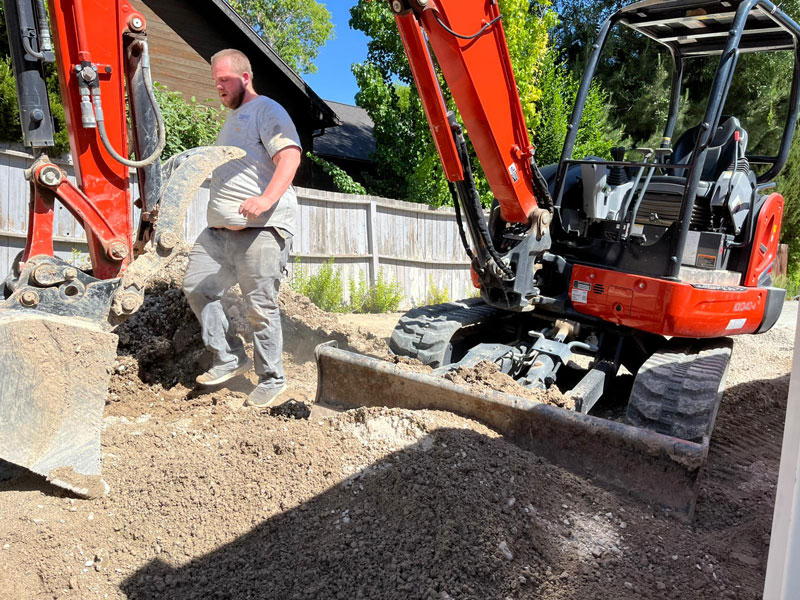
Let's Fix Plumbing is a fully licensed and insured plumbing business servicing the Magna, 84044 area. We offer a broad range of sewer line replacement services in Utah. Give us a call today at (801) 346-9896 to schedule service.