 Skip to content
The structural health of your Millcreek property depends on the invisible network of pipes beneath your foundation. A compromised sewer main isn't just a plumbing nuisance; it’s a threat to your building's stability and soil integrity. Let's Fix Plumbing specializes in stabilizing and restoring failing sewer laterals, using precision engineering to ensure your home or business remains on solid ground.
Don’t wait for a structural failure to address your drainage issues in Millcreek. Our team provides the deep-subsurface expertise required to keep your property safe. Reach out now for a comprehensive site evaluation and permanent restoration plan.
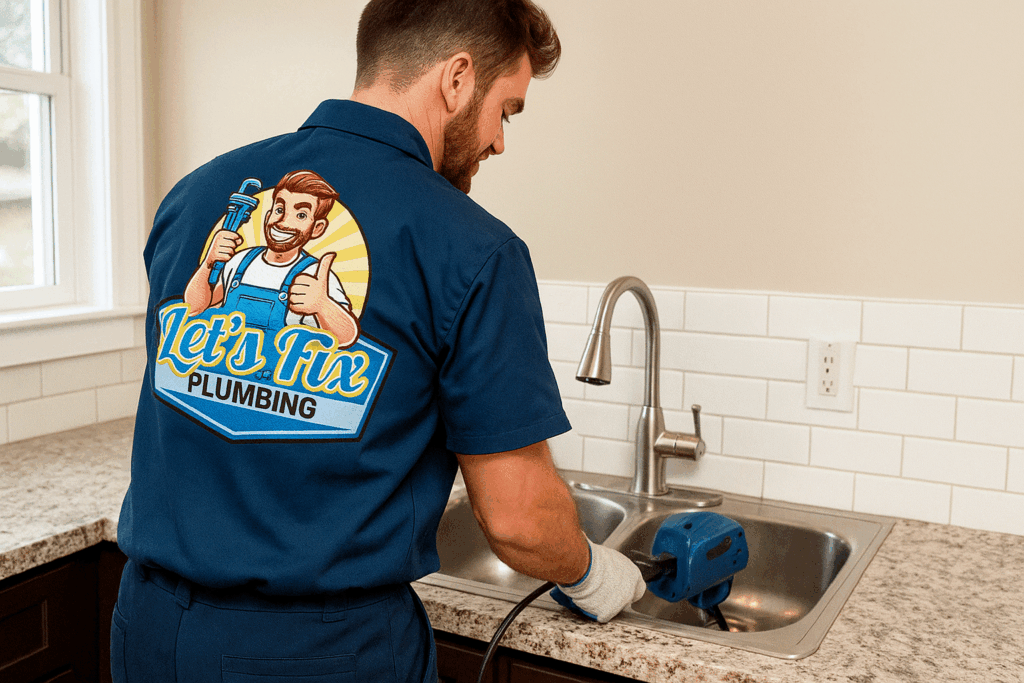
Why is Sewage Backing Up into My Shower?
Understanding the "Lowest Point" Phenomenon
When your main sewer line is obstructed, the waste has nowhere to go but back up the pipe. Because your shower or bathtub drain is typically the lowest open point in your home’s plumbing system, it becomes the first exit point for backed-up sewage. If you flush a toilet and see water rise in your shower, or if your shower fills with waste while the washing machine is draining, it is a definitive sign that the blockage is located in the main line, past where all your individual drains connect.
The Health Risks of "Black Water" Intrusion
Sewage backups in a shower are classified as "Category 3" water, containing harmful pathogens, bacteria, and viruses. This is not just a messy inconvenience; it is a significant health hazard for your family. Once sewage enters a shower stall, the porous grout and caulking can absorb contaminants, requiring professional sanitization. Attempting to clear this with a plunger is often futile because the blockage is likely dozens of feet away in the main lateral line.
Why a Main Line Reset is Required
A shower backup is a symptom of a system-wide failure. Our professional approach involves clearing the main line and then performing a thorough inspection to ensure the backup hasn't caused secondary leaks in your subflooring. We don't just "unclog" the shower; we restore the flow of the entire property. Hiring a professional ensures that the root cause—whether it's roots, grease, or a broken pipe—is handled correctly so your shower remains a place of hygiene, not a hazard.
Upgrading from Cast Iron: Why Modern Materials Matter
The Problem with Internal Corrosion and "Scaling"
For decades, cast iron was the gold standard for sewer lines, but it has a significant flaw: it rusts from the inside out. This process, known as tuberculation, creates a jagged, sandpaper-like surface that catches waste and hair. Over time, the bottom of the pipe can even rot away completely, leaving a "trench" in the soil where sewage sits. Upgrading to modern materials eliminates these rough surfaces, ensuring that waste moves swiftly and efficiently away from your home.
The Benefits of Modern PVC and HDPE
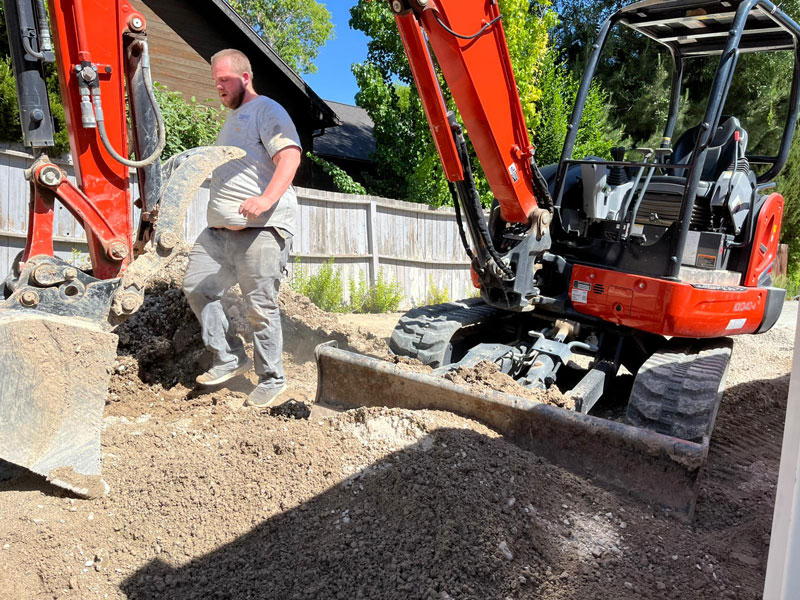
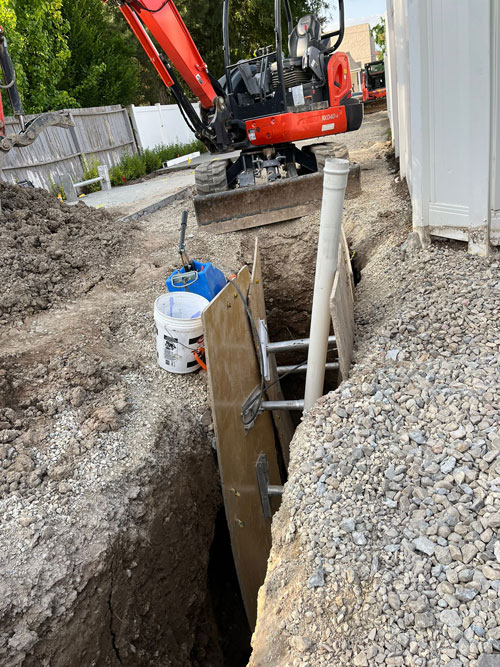
When we replace an old cast iron line, we typically use Schedule 40 PVC or High-Density Polyethylene (HDPE). These materials are completely impervious to rust and chemical corrosion. Furthermore, HDPE is joined using "heat fusion," creating a single, seamless pipe that is virtually impossible for tree roots to penetrate. These modern upgrades offer a 50-to-100-year lifespan, providing you with a "set it and forget it" solution that significantly increases your home’s resale value.
Why Professional Installation is Non-Negotiable
Switching materials isn't as simple as swapping one pipe for another; it requires specialized transition couplings and a deep understanding of thermal expansion. If a PVC line is incorrectly connected to an existing cast iron stack, it can lead to leaks at the most critical junction of your home. Our team specializes in these "hybrid" transitions, ensuring that your new, high-tech sewer line is perfectly integrated with your home’s existing plumbing for maximum durability.
Why Choose Let's Fix Plumbing
- Locally Owned & Operated
- 24/7 Emergency Services
- Licensed & Uniformed Technicians
- 5-Star Google and Yelp Reviews
- Upfront Estimates
- Easy Online Appointments
Don't Turn a Simple Repair into a Replacement: The True Cost of DIY Mistakes
When a main sewer line clogs, many homeowners in Millcreek jump into action, hoping to save money on what they believe is a simple clog. This logic is the single most common reason a simple "repair" job turns into a catastrophic, full-yard "replacement." The true cost of a DIY mistake isn't the rental fee for an auger; it's the $15,000+ difference in cost after that auger destroys your pipe, making all the affordable, simple repair options impossible. At Let's Fix Plumbing, our professional process is designed to protect your options and save your pipe, not just clear it.
The Tipping Point: How a "Repairable" Pipe Becomes "Destroyed"
Understanding the difference between a repair and a replacement is key. A "repair" (like trenchless lining) is an affordable solution that uses your existing pipe. A "replacement" (like excavation) is a total, destructive, and far more expensive operation. A DIY mistake is often the event that makes the cheap option impossible.
- Scenario 1: The "Repairable" Pipe (Before DIY) Your 50-year-old clay pipe is cracked and filled with tree roots. It backs up constantly. However, the pipe is still intact and round. This pipe is a perfect candidate for a simple repair: we can use a hydro-jetter to clean it and then install a "no-dig" trenchless CIPP liner. This creates a new pipe inside the old one. This solution is fast, requires no excavation, and is a moderate, predictable cost.
- Scenario 2: The "Replacement" Pipe (After DIY) You rent a powerful auger to "save money." You run that aggressive steel cutting head blindly into the same 50-year-old brittle clay pipe. The cutter snags a crack and the force shatters the pipe, causing a 5-foot section to collapse into rubble.
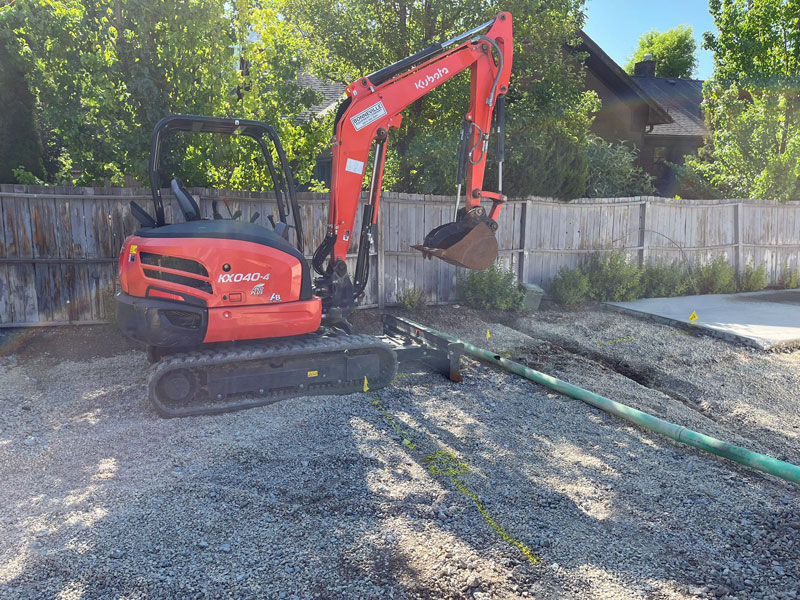
- The Devastating Consequence: Your pipe is now "destroyed." It is no longer a candidate for the affordable trenchless liner—you cannot install a liner inside a pile of crushed clay. Your DIY attempt has just personally eliminated the simple repair option. The only solution left is a full, catastrophic replacement, which requires us to bring in an excavator, dig a massive trench across your yard, and manually replace the entire line. You just turned a simple repair into a $20,000 nightmare.
Our Process: Protecting Your Repair Options
Our entire professional method is built around one philosophy: diagnose first to protect the pipe. By avoiding blind guesswork, we preserve your most affordable solutions.
- Camera-First Diagnosis: We NEVER use a cutting tool blindly. Our camera inspection immediately tells us the material (clay, cast iron, etc.) and its condition. If we see a pipe is brittle, we know an aggressive auger is the wrong tool and would cause a collapse.
- Hydro-Jetting (The Safe Cleaner): Instead of a destructive auger that can shatter pipes, our high-pressure hydro-jetting safely scours roots and sludge from the pipe walls. This clears the clog without compromising the pipe's structural integrity.
- Preserving the "Simple Repair": By diagnosing correctly and cleaning safely, we keep the pipe intact, preserving your ability to choose the "simple repair." We can now offer you the affordable, permanent trenchless CIPP lining solution—the very repair you wanted from the start. Don't let a $200 rental fee cost you thousands; call the pros who know how to protect your options.
Contact Let's Fix Plumbing Today!
Let's Fix Plumbing is a fully licensed and insured plumbing business servicing the Millcreek area. We offer a broad range of sewer line replacement services in Utah. Give us a call today at (801) 346-9896 to schedule service.