 Skip to content
In the Pleasant View real estate market, a certified, high-functioning sewer line is a premium asset. Whether you’re preparing to sell or simply protecting your equity, Let's Fix Plumbing provides the documentation and high-quality workmanship that proves your property’s infrastructure is in peak condition. We remove the "financial mystery" of underground pipes by delivering transparent, long-term sewer solutions.
Secure the value of your Pleasant View, 84404 home with a professional sewer audit. Let's Fix Plumbing offers the peace of mind that comes with a verified, reliable drainage system. Get your fast quote or book a professional consultation through our website today.
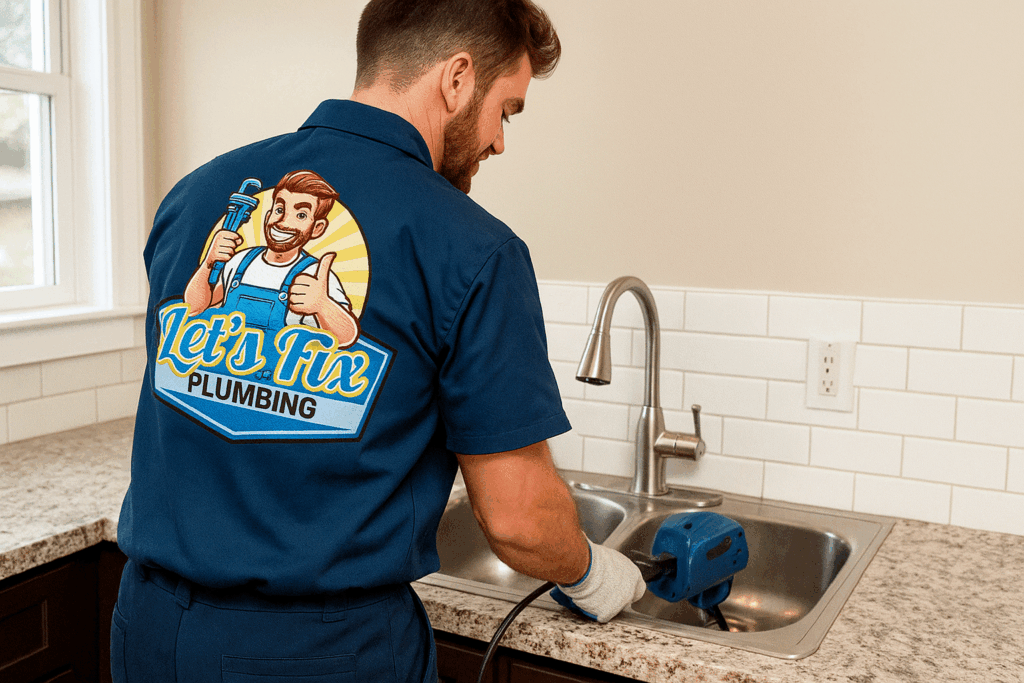
5 Warning Signs Your Main Sewer Line is Collapsing
Recognizing the Red Flags of Structural Failure
A collapsing sewer line is a progressive disaster that often starts with subtle symptoms. The most common indicator is localized sinkholes or unusually lush, green patches in your lawn where the soil is being "fertilized" by escaping sewage. Inside the home, you may notice multiple fixtures backing up simultaneously or a persistent "sewage smell" that doesn't go away after cleaning. These are signs that the pipe's structural integrity is compromised, allowing dirt to enter and block the flow entirely.
The Dangers of "Cyclical" Backups
If you find yourself needing to snake your drains every few months, you aren't dealing with a simple clog; you are likely dealing with a pipe that is losing its shape. As a pipe collapses, it creates "bellies" or jagged edges that catch debris instantly. This cyclical nature of clogs is a major warning that the pipe walls are bowing inward. Ignoring these signs can lead to a complete structural cave-in, which can cause foundation shifts and massive interior flooding.
Why Professional Imaging is the Only Way to Confirm
You cannot diagnose a collapse from the surface. Our team uses high-definition sewer cameras to travel deep into the line and see the exact state of the pipe walls. We look for "fracture patterns" and soil intrusion that indicate a collapse is imminent. By catching a failing line before it completely caves in, we can often utilize less invasive repair methods, saving you from the high cost of a total emergency excavation.
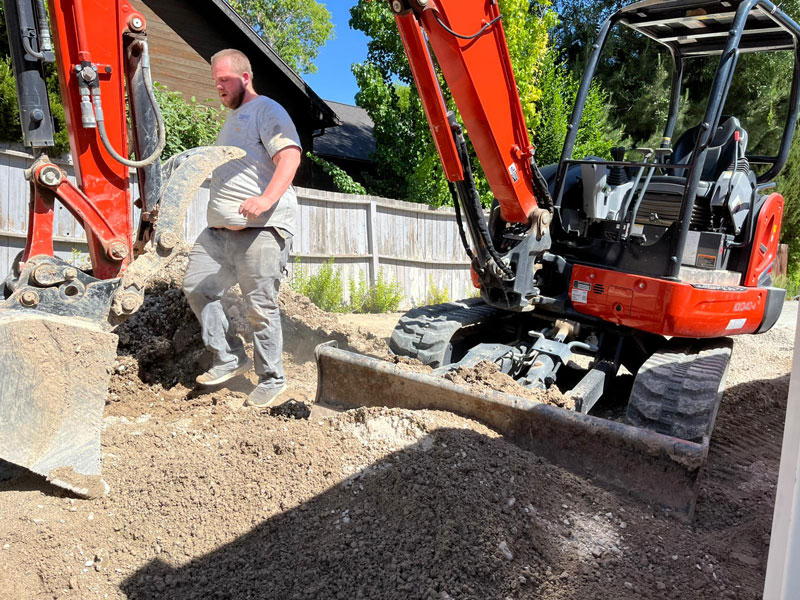
Full Sewer Line Excavation: When Is It the Right Choice?
At Let's Fix Plumbing, we specialize in modern, state-of-the-art trenchless sewer repairs that save your lawn and landscaping. However, as your trusted Pleasant View expert, our primary commitment is to the correct and permanent solution, not just the easiest one. While trenchless methods are ideal for many situations, there are specific cases where it is simply not an option, or worse, would only be a temporary patch on a more serious structural problem. In these scenarios, a full, traditional excavation is the only responsible choice to guarantee a long-term, functional sewer system.
When "No-Dig" Isn't an Option: Why Excavation is Necessary
We will only recommend a full excavation when our sewer camera inspection reveals a problem that trenchless technology cannot solve. This is a decision based on hard evidence, not guesswork.
- Severe Pipe "Belly" (Sag): Your sewer line must have a consistent downward slope (grade) for gravity to pull waste away. If shifting soil has caused a section of your pipe to sink or "sag," it creates a "belly" where water and solids pool permanently. You cannot line or burst a pipe with a severe belly; you would just have a newly-lined pipe that still doesn't drain. Excavation is the only solution, as it allows us to dig up the pipe, rebuild a new, stable gravel base, and set the new pipe at the correct grade.
- Completely Collapsed Pipes: Trenchless methods require a host pipe to be in place. If the pipe is totally "pancaked" flat or crushed into rubble, there is no path to pull a new pipe through (bursting) and no structure to apply a liner to (lining). The collapsed sections must be dug up and removed.
- Failing Orangeburg Pipe: If your Pleasant View home was built between the 1940s and early 1970s, you may have Orangeburg pipe. This is a tar-infused wood fiber pipe that was a common post-WWII material. With age, it softens, blisters, delaminates, and deforms under pressure. It has no structural integrity and cannot be lined or burst. It must be completely dug up and replaced with modern PVC.
- Improper Initial Installation: Sometimes, the original line was installed with incorrect fittings, improper materials, or an insufficient grade from the start. A simple repair won't fix a fundamental engineering flaw; the system must be excavated and re-engineered correctly.
Our Safe & Precise Excavation Process
If excavation is deemed necessary, our process is built around safety, precision, and complete restoration to protect your property.
- Full Safety & Utility Locating: Before any soil is moved, we coordinate with Blue Stakes of Utah (811) to have every underground utility—gas, electric, water, and communications—located and clearly marked. Your property's safety is our top priority.
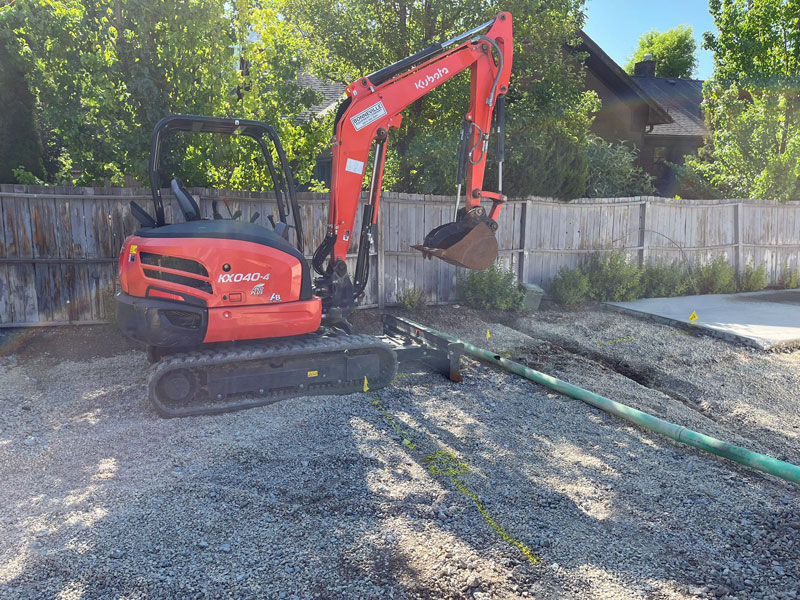
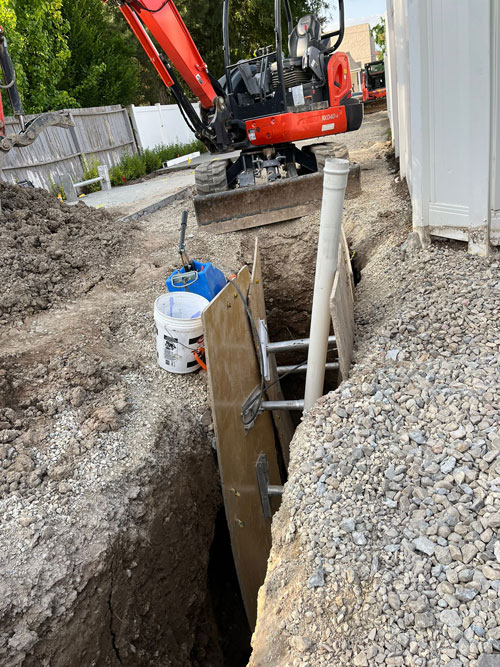
- Surgical Trenching: We don't just send in a random backhoe. We use protective mats and plan our excavation to be as minimal and precise as possible, digging a clean, stable trench that provides safe access to the failed pipe.
- Correct Bedding & Installation: This is the most critical step. After removing the old pipe, we build a new bed of crushed stone, which is graded perfectly for optimal flow. We then install your new, high-grade sewer pipe, ensuring every joint is solid and the slope is correct. This prevents future bellies and failures.
- Thorough Testing & Compaction: We test the new line before we bury it to confirm its integrity. We then backfill the trench by compacting the soil in layers (or "lifts") to prevent your yard from sinking over time, leaving you with a stable, secure, and permanent solution.
Why Choose Let's Fix Plumbing
- Locally Owned & Operated
- 24/7 Emergency Services
- Licensed & Uniformed Technicians
- 5-Star Google and Yelp Reviews
- Upfront Estimates
- Easy Online Appointments
Does Homeowners Insurance Cover Sewer Line Failure?
Navigating the "Peril" vs. "Wear and Tear" Distinction
One of the first questions homeowners ask during a sewer crisis is whether insurance will pick up the tab. Generally, standard policies do not cover sewer line replacement if the failure is due to age, "wear and tear," or tree root intrusion. However, if the damage was caused by a sudden "peril"—such as a lightning strike or a catastrophic soil shift—you may have a claim. It is crucial to review your "declarations page" to see if you have specifically added a "Sewer Backup" or "Service Line" endorsement.
The Importance of Service Line Endorsements
In recent years, many insurance companies have begun offering "Service Line Coverage" as an affordable add-on. This specific rider is designed to cover the excavation and repair of underground utility lines, including sewer, water, and gas. Without this endorsement, you are likely responsible for the entire cost of the repair. We can help you document the damage with our camera footage, providing the "proof of loss" that adjusters need to evaluate a potential claim.
Why Documentation is Key to Your Claim
If you do have coverage, the insurance company will require a professional "cause and origin" report. We provide high-definition video evidence and detailed written assessments that clearly state the nature of the failure. Having a professional plumber who understands insurance requirements can be the difference between a denied claim and a covered repair. We work alongside you to ensure that every technical detail is documented correctly for your provider.
Contact Let's Fix Plumbing Today!
Let's Fix Plumbing is a fully licensed and insured plumbing business servicing the Pleasant View area. We offer a broad range of sewer line replacement services in Utah. Give us a call today at (801) 346-9896 to schedule service.