 Skip to content
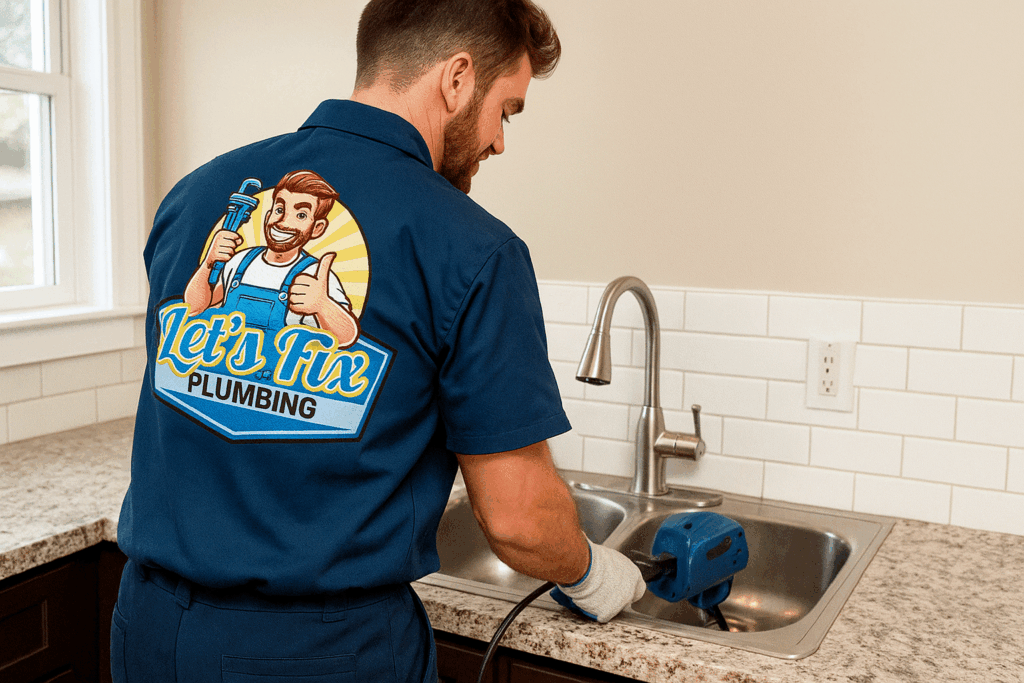
Guesswork has no place in Riverdale sewer management. At Let's Fix Plumbing, we utilize high-definition fiber-optic cameras and sonic tracing to pinpoint the exact source of your mainline distress without unnecessary excavation. Whether you're dealing with root intrusion or a shifted joint, we provide a clear, visual diagnosis before any work begins, ensuring a targeted and efficient repair.
If you’re facing recurring backups in Riverdale, 84405, it’s time to see what’s actually happening underground. Let the specialists at Let's Fix Plumbing provide the clarity you need. Book your high-tech sewer inspection online today.
Protect Your Foundation: Why a Small Sewer Leak Is a Major Structural Threat
Your home’s foundation is its most critical asset, and one of its greatest silent enemies is a leaking sewer line. A cracked or separated sewer pipe doesn't just waste water or create a bad smell; it actively undermines the structural integrity of your entire property by releasing a steady flow of water directly into the soil that supports your foundation. This is not just a plumbing problem; it's a direct threat to your home's stability. At Let's Fix Plumbing, we help homeowners across Riverdale diagnose and stop these leaks before they lead to catastrophic and expensive structural failure.
How a Broken Sewer Pipe Destroys Foundations
This destructive process happens slowly, silently, and directly beneath your feet. Any sewer pipe that runs under or near your home’s slab or footings becomes a liability the moment it’s breached.
- Soil Oversaturation: A leaking pipe constantly saturates the compacted soil around your foundation. Soil that is supposed to be stable and supportive turns into unstable, muddy slurry.
- Erosion and Soil Washout: The constant flow of water—even from a small crack—begins to slowly wash away the fine particles of soil (like sand and silt) that provide the structural support for the concrete.
- Void Creation: Over time, this erosion creates an empty space, or "void," directly beneath your concrete slab or foundation footing. The foundation is now spanning over hollow ground, bearing the entire weight of your house without support from below.
- Settling, Shifting, and Cracking: Gravity always wins. The immense weight of the house forces the unsupported section of the foundation to sink, settle, or shift into the void. This movement is what causes diagonal cracks in your basement walls, uneven floors, sticking doors and windows, and cracked drywall seams inside your home.
Our Solution: Secure Your Line, Save Your Foundation
By the time you see cracks in your drywall, the damage to your foundation is already significant. The key is to address the cause (the sewer leak) the moment it's suspected. If you have recurring clogs, foul odors, or soggy spots near your home, you must investigate the sewer line immediately.
- Advanced Camera Diagnosis: We don’t guess. We send a high-definition sewer camera through your plumbing to visually inspect the critical area where the pipe runs under or exits your foundation. We can see the exact crack, offset joint, or root intrusion that is causing the leak.
- Pinpoint the Breach: Our camera equipment allows us to pinpoint the exact location and depth of the failure, so we know precisely where the erosion is occurring.
- Trenchless "No-Dig" Repair: The last thing you want near a vulnerable foundation is a massive, disruptive excavation. Our modern, trenchless CIPP (Cured-In-Place-Pipe) lining process is the perfect solution. We can insert a new structural liner into the old pipe and cure it in place, sealing the leak permanently from the inside.
- Stop the Damage, Permanently: This "no-dig" repair requires no destructive trenching next to your home. It immediately stops the leak, preventing any further soil erosion and allowing the ground around your foundation to stabilize. This single plumbing repair can save you tens of thousands of dollars in future foundation leveling and structural concrete work.
The Lifecycle of a Sewer Pipe: When to Call the Pros
Understanding Material Longevity
Every sewer pipe has an expiration date determined by its composition. Old-fashioned clay pipes can last 50 to 60 years but are highly susceptible to joint failure and root intrusion. Cast iron is durable but prone to internal corrosion after 40 years, while Orangeburg (tar-paper) pipes rarely last beyond 30 years without collapsing. Knowing the age of your home is the first step in predicting when your underground infrastructure will require professional intervention.
Environmental Stress and Pipe Aging
The lifecycle of your pipe isn't just about age; it’s about the environment. Soil acidity, heavy vehicle traffic over the line, and aggressive local tree species can shave decades off a pipe's life. If you are living in an older property, the system is likely operating on "borrowed time." A proactive professional assessment can identify if your pipes are reaching their limit before a catastrophic burst occurs, allowing you to plan for a replacement on your own terms.
The Value of "End-of-Life" Inspections
When a pipe reaches the end of its functional lifecycle, it becomes brittle. Standard cleaning methods that worked for years can suddenly cause a fragile pipe to shatter. We provide "lifecycle inspections" that evaluate the wall thickness and joint integrity of your sewer main. By hiring a professional to assess the remaining life of your pipes, you avoid the shock of an emergency failure and can transition to modern, lifetime-rated materials like PVC or HDPE seamlessly.
Why Choose Let's Fix Plumbing
- Locally Owned & Operated
- 24/7 Emergency Services
- Licensed & Uniformed Technicians
- 5-Star Google and Yelp Reviews
- Upfront Estimates
- Easy Online Appointments
Who is Responsible for the Sewer Line Under the Street?
Understanding the Property Line "Upper Lateral"
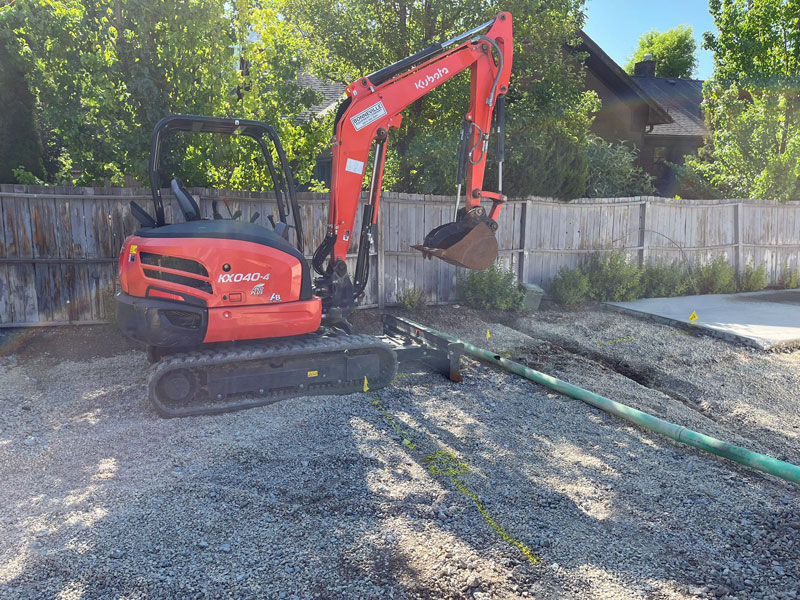
A major point of frustration for many homeowners is discovering that they are responsible for the sewer pipe even after it leaves their yard. In most municipalities, the homeowner owns and is responsible for the "upper lateral"—the section of pipe that runs from the house all the way to the "wye" connection at the city main, even if that connection is under a public street or sidewalk. If a break occurs under the asphalt, the city typically requires you to hire a licensed contractor to fix it.
Navigating City Permits and Street Opening Bonds
Repairing a pipe under a public street is vastly more complex than a yard repair. It requires specific municipal permits, traffic control plans, and "street opening bonds" to ensure the road is restored to city standards. Our team is fully licensed and bonded to perform these "off-property" repairs. We handle the bureaucracy and the logistics of working with the city water department, ensuring that your repair is compliant with all local codes and regulations.
Why You Need a Contractor with Municipal Experience
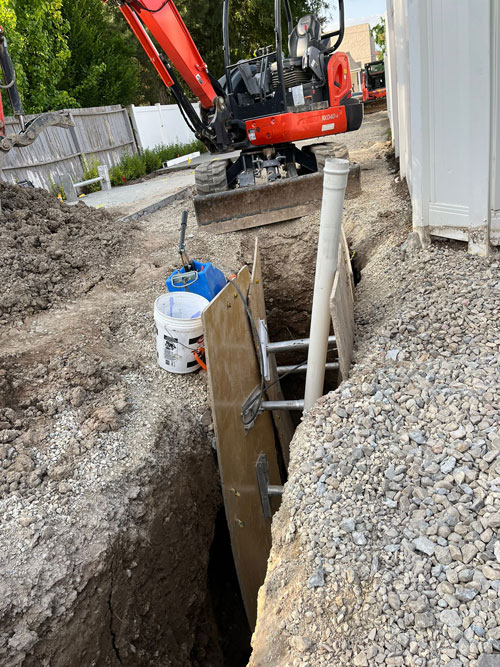
Working in the public right-of-way involves coordinating with other utility providers to avoid hitting gas or fiber-optic lines. It is not a job for a standard residential plumber. We have the heavy equipment and the insurance credentials required to work in the street, protecting you from the massive liabilities associated with public-sector repairs. Hiring a professional with municipal experience is the only way to ensure the city "signs off" on your repair without issue.
Contact Let's Fix Plumbing Today!
Let's Fix Plumbing is a fully licensed and insured plumbing business servicing the Riverdale area. We offer a broad range of sewer line replacement services in Utah. Give us a call today at (801) 346-9896 to schedule service.