 Skip to content
The integrity of your sewer line is crucial for a sanitary and functional property in Taylorsville. Unfortunately, factors like tree root intrusion, shifting soil, and aging pipes can lead to breaks and blockages. Let's Fix Plumbing offers state-of-the-art sewer line replacement and repair services designed for Taylorsville, 84084 properties.
We use advanced diagnostics to pinpoint the exact problem. For dependable sewer line expertise in Taylorsville, 84084, contact Let's Fix Plumbing through our site to schedule your consultation.

Gurgling Toilets and Slow Drains? It's a Main Line Warning Sign.
That strange gurgling sound from your toilet when the washing machine drains is more than just a weird quirk—it’s your plumbing system’s version of a "check engine light." When multiple drains in your home (like your shower, sinks, and toilets) all start to slow down at the same time, these aren't separate problems. They are the earliest and clearest warning signs that a significant blockage is forming in your main sewer line. Ignoring these signals will almost certainly lead to a complete and messy sewage backup. Let's Fix Plumbing serves all of Taylorsville, specializing in diagnosing these early warnings to prevent a catastrophe.
What Your Plumbing Is Trying to Tell You
Your home's drainage system is designed to flow silently and quickly, carrying waste and water away while venting sewer gases out through the roof. When this system is compromised, the air and water get trapped, and the pressure has to go somewhere.
- Gurgling Toilets & Drains: This is the most classic symptom. When water rushes down a drain (like from a washer or shower), it pushes a large volume of air ahead of it. If the main line is partially clogged, that air can't escape properly. Its only path is backward, forcing its way up through the nearest water trap—usually your toilet—causing that ominous gurgle.
- Multiple Slow Fixtures: One slow sink is likely a local hair clog. But when your bathtub, toilet, and bathroom sink are all draining poorly, the blockage isn't in their individual traps. The problem is downstream in the main sewer line that all these fixtures feed into.
- Foul Odors from Drains: Sewer gas smells inside your home are a serious sign. It can mean the blockage is causing water in your P-traps to be siphoned out, breaking the air seal that protects your home from the sewer system.
Don't Wait for the Backup: Our Diagnostic Solution
These warning signs are your window of opportunity. This is the perfect time to call a professional before you are dealing with a basement flooded with raw sewage. At Let's Fix Plumbing, we treat these symptoms seriously and replace guesswork with hard data.
- Expert Assessment: We’ll listen to your report of the symptoms (which drains, what sounds, when it happens) to understand the full picture of your home’s drainage behavior.
- Advanced Camera Inspection: The only way to know for sure if you have a developing root ball, a grease blockage, or a bellied pipe is to see it. We feed a high-definition, waterproof camera into your main line to pinpoint the exact location and nature of the problem.
- Targeted Clearing (Hydro-Jetting): For developing blockages from roots or sludge that are causing gurgling, our high-pressure hydro-jetting service is the ultimate solution. It doesn't just poke a hole; it scours the entire inner diameter of the pipe clean, restoring its full flow capacity and eliminating the symptoms.
- Permanent Repair Options: If the camera inspection reveals the clog is being caused by a cracked or sagging pipe, we have the evidence to recommend a permanent fix, such as a trenchless pipe lining. This addresses the source of the problem, ensuring these warning signs don't come back.
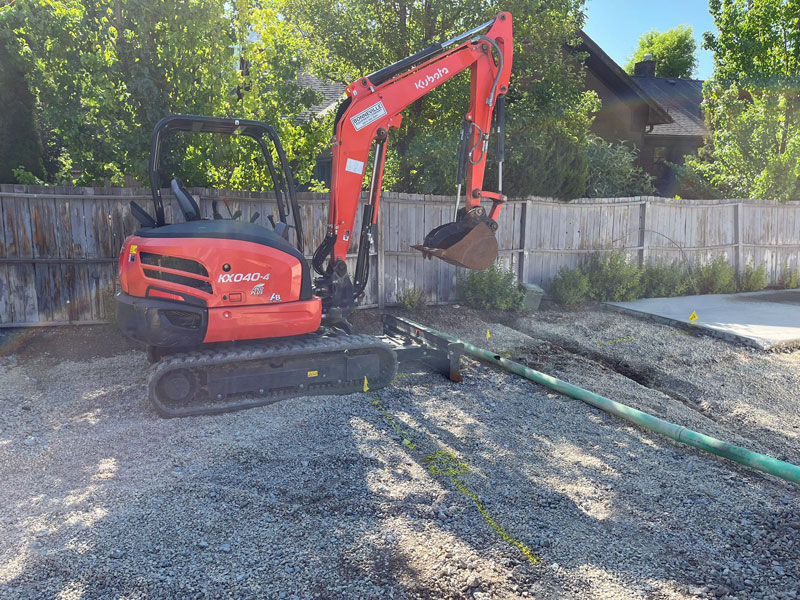
When to Stop Cleaning and Start Replacing Your Sewer Line
Breaking the Cycle of Temporary Fixes
If you are calling a plumber once or twice a year to "snake out" your main line, you are spending money on a symptom rather than the cure. While cleaning provides temporary relief, it does nothing to fix a shifted joint, a cracked wall, or a heavy root infestation. Eventually, the cost of repeated "emergency" cleanings will exceed the cost of a permanent repair. Recognizing when you’ve reached the "point of diminishing returns" is key to protecting your finances.
The Damage Caused by Frequent Snaking
Standard mechanical snaking is an aggressive process. If your pipe is already weakened by age or corrosion, the repeated impact of a steel cable can actually accelerate the failure of the pipe walls. If we find that we are pulling back "dirt" or "rocks" during a cleaning, it’s a definitive sign that the pipe has breached and cleaning is no longer a viable option. At this stage, continued cleaning is a liability, not a solution.
Making the Shift to Permanent Restoration
A professional sewer replacement ends the cycle of stress and water damage. We provide a transparent comparison between the ongoing costs of maintenance and the one-time investment of a replacement. With modern trenchless options, we can often replace the line in a single day, giving you back your peace of mind and a functional drainage system that won't require another thought for decades.
Why Choose Let's Fix Plumbing
- Locally Owned & Operated
- 24/7 Emergency Services
- Licensed & Uniformed Technicians
- 5-Star Google and Yelp Reviews
- Upfront Estimates
- Easy Online Appointments
Dealing with Aging, Corroded, or Bellied Pipes? Time for Modern Upgrades.
Your sewer line is an asset with a limited lifespan. The vast majority of homes in Taylorsville built before the 1980s are still relying on pipes made of cast iron or clay tile. After 50, 60, or even 70 years of service, these materials are at the end of their functional life. They begin to corrode, crack, and shift, leading to recurring clogs, slow drains, and the constant threat of a backup. At Let's Fix Plumbing, we specialize in replacing these aging plumbing time bombs with "modern upgrades"—state-of-the-art solutions that provide another 50+ years of worry-free service, often without destroying your yard.
The Breakdown: What's Happening to Your Old Pipes
"Old age" isn't a single problem; it's a category of failures. Our camera inspections almost always find one of these three issues in aging pipes:
- Corroded Cast Iron: Cast iron was the standard for decades, but its enemy is rust. From the inside, constant moisture and waste cause corrosion and "scaling," where the pipe walls become rough and flake off. This scaling snags toilet paper and debris, causing constant clogs. From the outside, soil moisture eventually causes the pipe to rust completely through, leading to leaks, breaks, and collapse.
- Cracked & Root-Filled Clay: Vitrified clay pipe is strong but very brittle. It was installed in short, 2-to-3-foot sections connected by mortar. Over decades, shifting Utah soil causes these joints to separate or the pipe itself to crack. These tiny openings release water vapor, attracting tree roots, which then invade and completely choke the line.
- Bellied (Sagging) Pipes: This is a problem of physics, not just material. Over time, the soil bed beneath a pipe can erode or compact, causing a section of the pipe to sink. This creates a "belly" or "sag" that holds stagnant water and waste. No amount of drain snaking can fix this flow problem, guaranteeing recurring blockages until the grade is corrected.
The "Modern Upgrade": Your Trenchless Replacement Options
Instead of facing a destructive trench across your entire lawn, modern technology offers powerful, less-invasive solutions. After our camera inspection confirms the problem, we recommend the right upgrade.
- CIPP (Cured-In-Place-Pipe) Lining: This is the ideal upgrade for pipes that are corroded, cracked, or full of roots but still structurally intact. We use a "no-dig" approach to insert a flexible, resin-saturated liner into your old pipe. We then cure it solid, creating a brand new, seamless, structural pipe inside the old one. This new pipe is corrosion-proof, 100% sealed against roots, and rated for 50+ years.
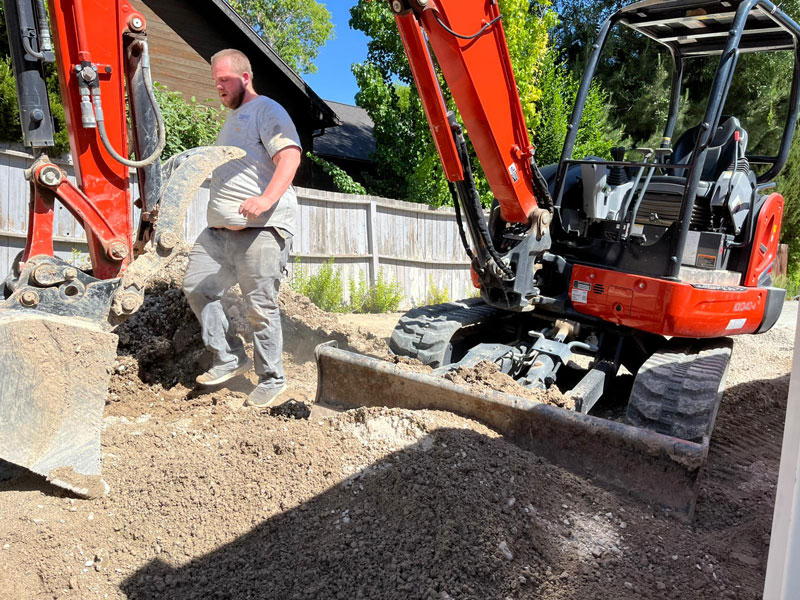
- Pipe Bursting: This is the modern "replacement" upgrade. If the old pipe is too collapsed or damaged to be lined, we can use this trenchless method. We dig two small access points, pull a brand new, continuous HDPE (high-density polyethylene) pipe through the old pipe's path, and use a "bursting" head to shatter the old, failed pipe out of the way. This gives you a brand new, often larger-diameter pipe, without the massive trench.
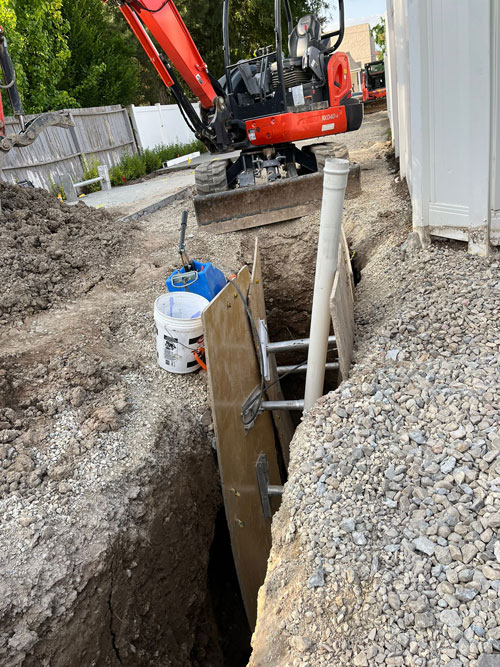
- Surgical Excavation (For Bellies): The only correct modern upgrade for a bellied pipe is a targeted excavation. We use our camera locators to pinpoint the exact location of the sag, dig up only that section, rebuild a new, stable gravel base at the correct slope, and replace the failed segment. This permanently fixes the flow problem that lining would only cover up.
Contact Let's Fix Plumbing Today!
Let's Fix Plumbing is a fully licensed and insured plumbing business servicing the Taylorsville, 84084 area. We offer a broad range of sewer line replacement services in Utah. Give us a call today at (801) 346-9896 to schedule service.