 Skip to content
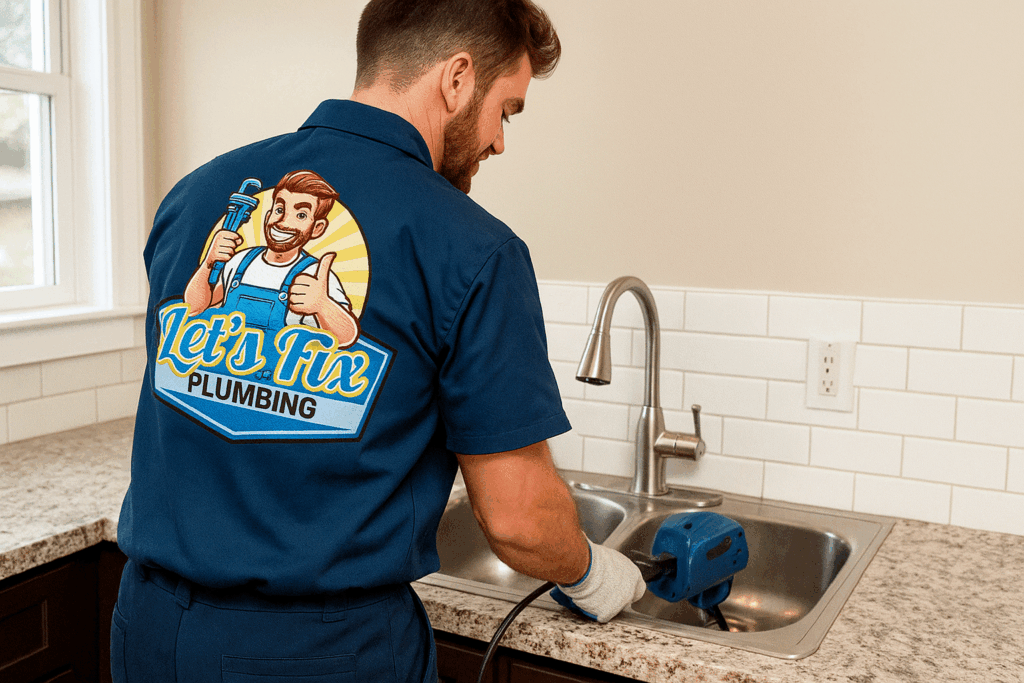
In the bustling communities of American Fork, Utah, 84003, keeping your drains clear and efficient is essential for both homeowners and businesses. Let's Fix Plumbing specializes in residential and commercial drain cleaning services, helping ensure your American Fork, Utah property remains free of blockages and water damage.
When you need reliable drain cleaning in American Fork, turn to Let's Fix Plumbing. Contact us through our website to learn more or schedule a service. We’re dedicated to keeping your plumbing systems running smoothly and efficiently.
Signs Your Drain Is Clogged
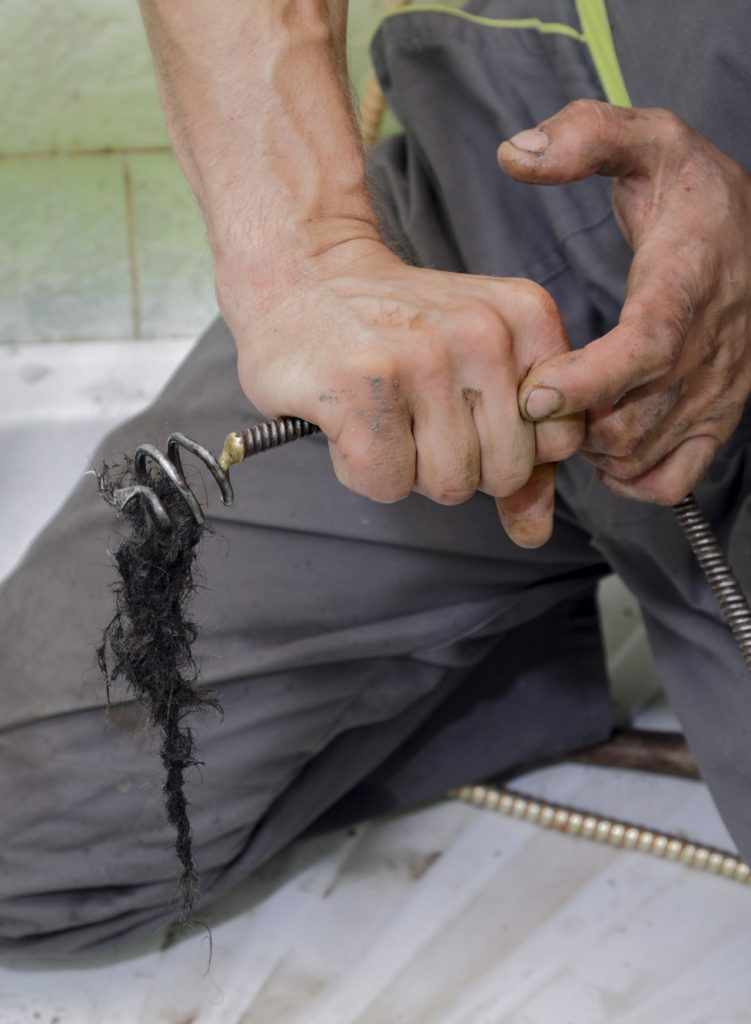
A complete drain backup is a messy, stressful event that rarely happens out of the blue. Your home’s plumbing system almost always provides an "early warning system" by sending out clues that a blockage is forming. By learning to recognize these signs, you can address the issue proactively and call for professional help before a minor nuisance becomes a major emergency.
The Obvious Red Flags: Sights and Sounds
These are the most common and easily identifiable symptoms that point to a developing clog. If you notice any of these, it’s time to pay attention.
- Slow-Moving Water: This is the number one preliminary sign. Does your shower floor turn into a shallow pond long before you’re done? Does your bathroom sink fill up while you’re just washing your hands or brushing your teeth? Water that takes more than a few seconds to drain is a clear sign that an obstruction is narrowing the pipe.
- Gurgling and Bubbling Noises: After the water drains, listen closely. Strange gurgling sounds coming from the drain are a classic sign of a problem. This noise is caused by air trapped in the pipes being forced to bubble through the partial clog as it struggles to vent properly.
- Water Backups: This is a more advanced symptom. If water appears in a sink or tub when it isn't in use, it means a clog in a shared drain line is forcing the water to go somewhere else. A common example is water from a running washing machine backing up into a nearby shower, or water from one side of a kitchen sink bubbling up in the other.
The Deeper Clues: Odors and Recurring Problems
Some signs of a clog are less about what you see and more about what you smell or how often you experience issues.
- Persistent Foul Odors: A stubborn, unpleasant smell emanating from a drain opening that doesn’t go away with surface cleaning is a strong indicator of a problem. This odor is caused by decaying food, grease, and other organic matter that has become trapped in the pipe and is festering within the clog.
- Multiple Fixtures are Clogged: If you notice that your toilet is flushing poorly, your shower is draining slowly, and your bathroom sink is gurgling all at the same time, you likely have a blockage in your main sewer line. This is a serious issue that requires immediate professional attention to prevent a raw sewage backup into your home.
If you recognize any of these warning signs in your Utah home, don’t wait for the problem to escalate. Contact Let's Fix Plumbing for a professional inspection and cleaning.
Commercial Grease Trap & Drain Care
The Unique Challenges of Commercial Kitchen Drainage
In a commercial environment, the volume of waste is significantly higher than in a residential setting. Restaurants, cafes, and industrial kitchens deal with massive amounts of grease, proteins, and starches that can quickly overwhelm a standard drainage system. If a grease trap isn't maintained or if the connecting lines are neglected, it leads to "emulsified fat" clogs that are rock-hard and nearly impossible to clear with standard methods. A backup in a commercial kitchen isn't just a mess—it’s a health code violation that can force a business to close its doors.
Regulatory Compliance and Preventative Maintenance
Many municipalities have strict regulations regarding how commercial grease is handled and disposed of. A clogged commercial line often indicates that grease is escaping into the main sewer system, which can result in heavy fines and legal liabilities for the business owner. Professional drain cleaning for businesses focuses on more than just "fixing a leak"; it’s about ensuring that your facility remains in compliance with local environmental and health standards, protecting your reputation and your bottom line.
High-Volume Solutions for Business Continuity
We understand that for a business, time is money. Our commercial drain services are designed to be fast and non-invasive, utilizing industrial-grade hydro-jetting to strip away layers of grease and food byproduct in a single session. By hiring a professional team, you ensure that your pipes are cleared to their full capacity, preventing the sudden, mid-shift backups that disrupt service and alienate customers. We provide the heavy-duty solutions that commercial plumbing requires.
Why Choose Let's Fix Plumbing
- Locally Owned & Operated
- 24/7 Emergency Services
- Licensed & Uniformed Technicians
- 5-Star Google and Yelp Reviews
- Upfront Estimates
- Easy Online Appointments
How to Choose the Right Plumber for Drain Cleaning
When your drain is clogged and water is backing up, your first instinct is to find help—fast. In that moment of panic, it can be tempting to call the first plumber you find on Google. However, choosing the right professional for the job is crucial. An inexperienced or ill-equipped plumber can fail to fix the problem, or worse, cause even more damage to your pipes.
To ensure your drain issues are handled correctly, you need a trusted partner. Here are the key factors to consider when choosing a plumber for drain cleaning services in Utah.
Essential Qualifications and Reputation
Before you even discuss the job, you should verify that the plumber has the basic credentials for professional, safe work. This is the foundation of a trustworthy service.
- Proper Licensing and Insurance: This is non-negotiable. A licensed plumber has met the state of Utah's requirements for knowledge and competency. Full liability insurance and worker's compensation protect you, the homeowner, from any financial responsibility in the event of an accident or property damage during the job.
- Specialized Drain Cleaning Experience: General plumbing is a vast field. Look for a company that frequently advertises and has deep experience specifically with drain cleaning. They will be more familiar with the unique challenges of different types of clogs, from grease to tree roots.
- Verifiable Local Reviews: Check their reputation on platforms like Google, Yelp, or Angi. A long history of positive reviews from other homeowners in your community is one of the strongest indicators of reliable, high-quality service.
The Right Tools and Transparent Practices
A true professional stands out not just in their qualifications, but in how they operate. Look for a company that invests in modern technology and prioritizes clear communication.
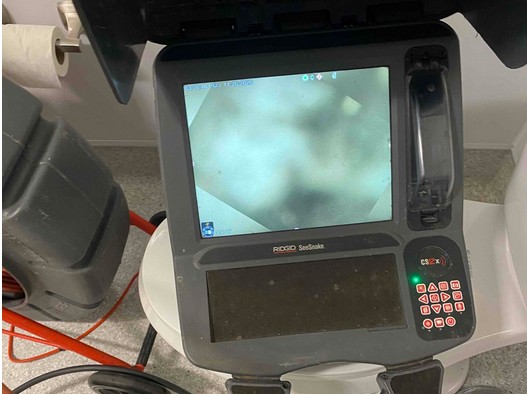
- Advanced Equipment: A professional drain cleaning service should have more than just a simple hand snake. Ask if they use professional-grade power augers, high-pressure hydro-jetting equipment (for tough grease clogs), and sewer camera inspection technology to accurately diagnose the exact location and cause of the problem.
- Upfront and Honest Pricing: Avoid any company that gives a vague price or pushes you to agree to work without a clear estimate. A reputable plumber, like the team at Let's Fix Plumbing, will assess the situation and provide you with a firm, upfront price before any work begins, so there are no surprises.
- A Guarantee on Their Work: A confident and capable plumber will stand behind their service. Ask if they offer a satisfaction guarantee or a warranty on their drain cleaning work. This shows they are committed to providing a real solution, not just a temporary fix.
Choosing the right plumber means choosing peace of mind. At Let's Fix Plumbing, we are fully licensed and insured, specialize in advanced drain cleaning solutions, and pride ourselves on our transparent pricing and commitment to customer satisfaction. Call us today for service you can trust.

Contact Let's Fix Plumbing Today!
Let's Fix Plumbing is a fully licensed and insured plumbing business servicing the American Fork, UT area. We offer a broad range of drain cleaning services in Utah. Give us a call today at (801) 346-9896 to schedule service.