 Skip to content
For both residential and commercial properties in Riverdale, a blocked pipe is a major headache that brings your routine to a halt. Let's Fix Plumbing specializes in professional drain clearing services, utilizing modern equipment to remove the most stubborn obstructions. We focus on restoring your plumbing system’s efficiency to prevent future overflows and expensive water damage.
Don't let a slow-moving sink or backed-up toilet ruin your schedule. If you’re located in Riverdale, UT, 84405, our skilled technicians are standing by to provide a solution. Contact us now for an instant estimate or to schedule your service online.
How to Unclog a Drain
The High Risks of DIY Drainage Methods
When faced with a backup, many property owners reach for caustic chemical cleaners or hardware-store snakes, unaware of the potential for disaster. Chemical solvents generate intense heat and corrosive reactions that can soften PVC pipes or eat through the solder in older copper systems, leading to catastrophic leaks inside your walls. Furthermore, amateur snaking often results in the tool becoming stuck or even puncturing a weakened section of the pipe. Without a professional’s understanding of pipe topography and material limits, a simple clog can quickly escalate into a multi-thousand-dollar emergency repair.
Why Professional Extraction is the Only Real Solution
A true plumbing fix requires more than just punching a small hole through a blockage to get the water moving temporarily. To prevent the clog from returning next week, the pipe walls must be returned to their original, smooth state. Our team approaches every job with a "total clearance" mindset. We don't just move the debris further down the line, which can cause a secondary clog in a harder-to-reach area; we extract it or pulverize it entirely. By hiring a professional, you are ensuring that the root cause—be it scale, grease, or a foreign object—is completely removed, restoring the full flow capacity of your system.
Advanced Diagnostic Verification for Lasting Results
The most important part of a professional unclogging service is the verification process. After the obstruction is cleared, a professional plumber uses diagnostic tools to ensure the line is 100% clear and to inspect for any underlying damage caused by the clog. This might include checking for bellies in the pipe, offset joints, or early signs of pipe collapse. This level of scrutiny ensures that when we leave your property, the drain isn't just "working for now," but is fully restored to its optimal performance level, providing you with the peace of mind that a DIY attempt simply cannot offer.
Got a Clogged Sink? Let's Fix It, Fast!
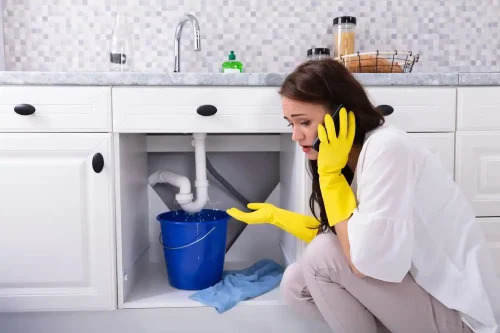
A clogged sink is more than just an annoyance—it’s a disruption that can bring your kitchen, bathroom, or laundry room to a complete halt. Whether you’re dealing with slowly draining water or a total backup, the professional team at Let's Fix Plumbing has the tools and expertise to handle any sink clog for homeowners across Utah. Don't reach for harsh chemicals that can damage your pipes; call the experts who can fix the problem for good.
Why Sinks Clog: Common Causes Around Your Home
Every sink in your home is vulnerable to clogs, but the cause often depends on the location. Our experienced plumbers can quickly identify the source of the problem, no matter which sink is affected.
- In the Kitchen: This is ground zero for clogs caused by F.O.G. (Fats, Oils, and Grease) hardening inside pipes. Food scraps from the garbage disposal, coffee grounds, and starchy foods are also common culprits.
- In the Bathroom: The primary offenders here are hair and soap scum, which bind together to create tough, tangled blockages. Toothpaste, beauty products, and other grime contribute to slowing the drain over time.
- In the Utility or Laundry Room: These sinks often collect lint from washing machines, dirt, mud, and other debris that can settle and create dense, difficult-to-remove clogs.
Our Professional Solution for Any Sink, Any Clog
At Let's Fix Plumbing, we provide a safe and highly effective solution that goes far beyond what a bottle of drain cleaner can do. We believe in solving the problem at its source.
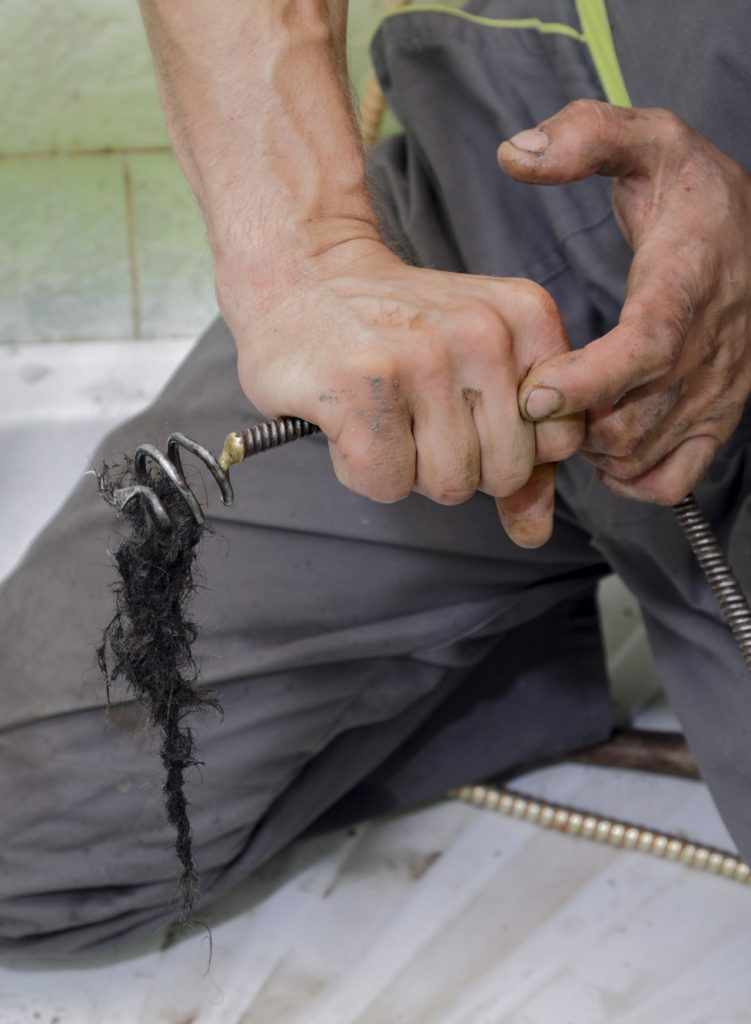
Our licensed plumbers arrive with professional-grade equipment, including powerful drain augers (snakes) designed to navigate your plumbing and physically break apart and remove the entire blockage. This method is completely safe for your pipes and is the only way to ensure the clog is gone for good. We diagnose the issue, remove the obstruction, and test our work to guarantee your sink is flowing perfectly before we leave.
Don't Let a Clogged Sink Slow You Down.
No matter the sink, no matter the clog, Let's Fix Plumbing is ready to help. For fast, reliable, and professional sink clearing services anywhere in Utah, contact us today!
Why Choose Let's Fix Plumbing
- Locally Owned & Operated
- 24/7 Emergency Services
- Licensed & Uniformed Technicians
- 5-Star Google and Yelp Reviews
- Upfront Estimates
- Easy Online Appointments
Professional Safety Protocols in Drain Cleaning
Protecting Your Family from Cross-Contamination
Professional drain cleaning is a surgical process that requires strict adherence to hygiene protocols. Amateur attempts often result in "blowback," where contaminated water and sewer gases are sprayed into the home. Our team uses specialized containment tools and protective barriers to ensure that the mess stays inside the pipes and out of your living space. When you hire an expert, you are ensuring that the cleaning process itself doesn't become a new health hazard for your household.
The Risks of High-Pressure Equipment
Hydro-jetting is an incredibly effective tool, but it uses water at pressures high enough to cut through wood and skin. Operating this equipment requires extensive training to avoid "shooting through" a weakened pipe or causing injury to the operator and bystanders. A professional specialist understands the exact PSI (pounds per square inch) needed for different pipe materials, ensuring the clog is removed without the risk of a catastrophic pipe burst. This "precision power" is something that consumer-grade machines simply cannot offer.
Handling Unknown Hazards and Gas Buildup
Sewer lines can contain more than just waste; they can be reservoirs for methane and hydrogen sulfide gases, which are both toxic and highly flammable. A professional plumber is trained to recognize the scent and behavior of these gases and uses spark-proof tools and ventilation techniques to manage them safely. Choosing a professional means you aren't risking an explosion or gas poisoning in your home. We provide a safe, controlled environment for every repair, giving you peace of mind that the job is being done by the book.

Contact Let's Fix Plumbing Today!
Let's Fix Plumbing is a fully licensed and insured plumbing business servicing the Riverdale, UT, 84405 area. We offer a broad range of drain cleaning services in Utah. Give us a call today at (801) 346-9896 to schedule service.